
The Headmaster
Play The Headmaster
The Headmaster Screenshots







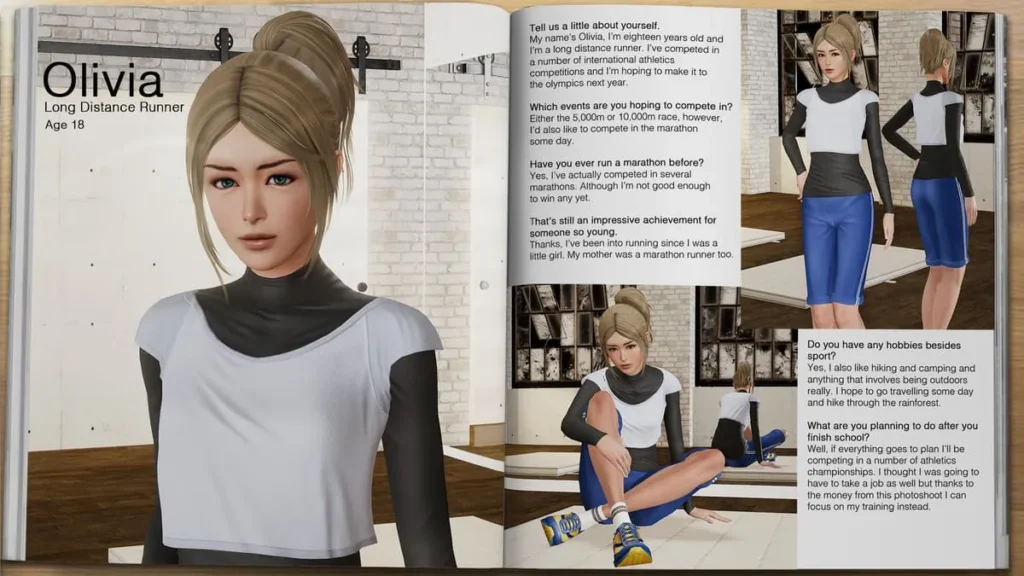


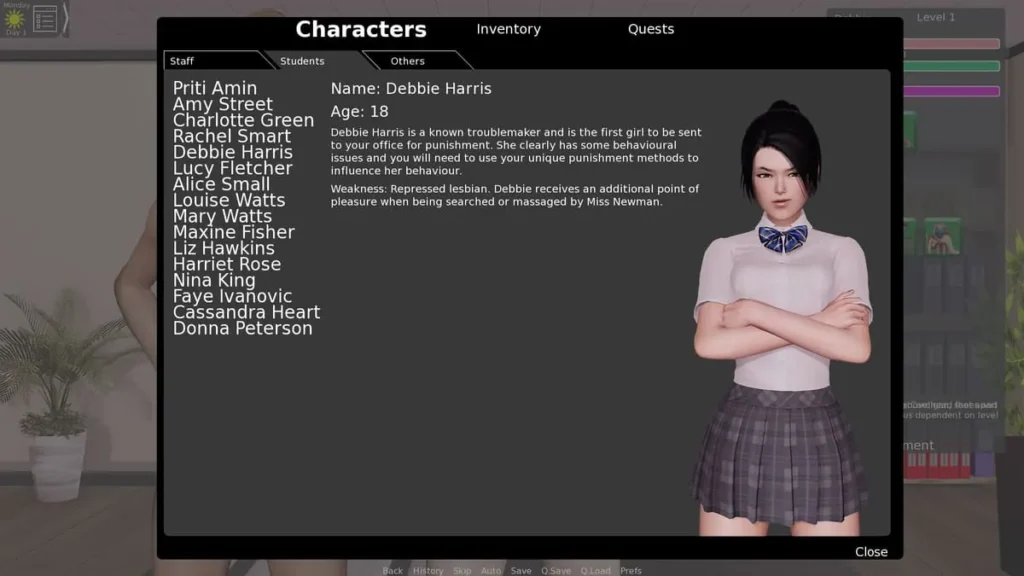
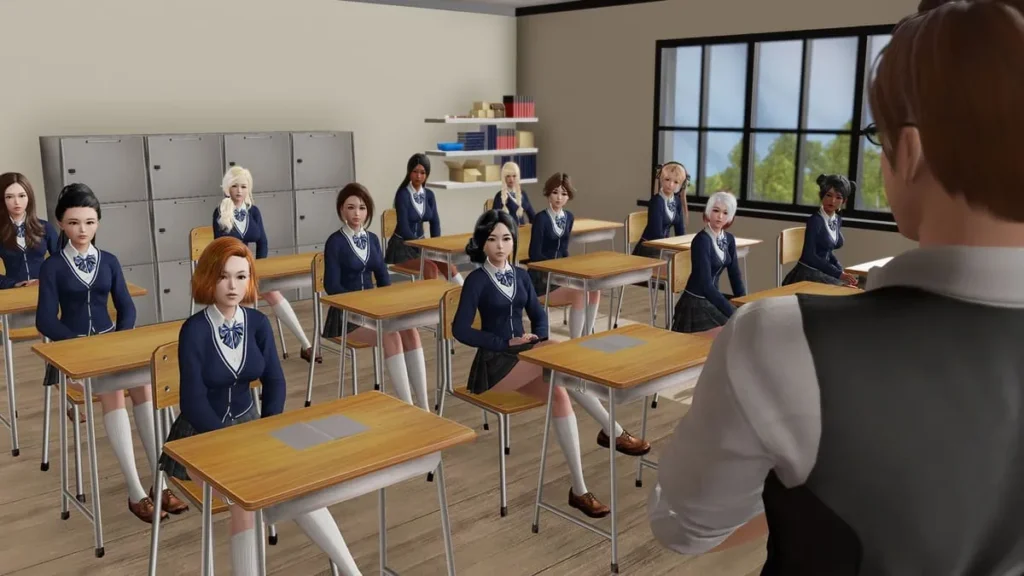
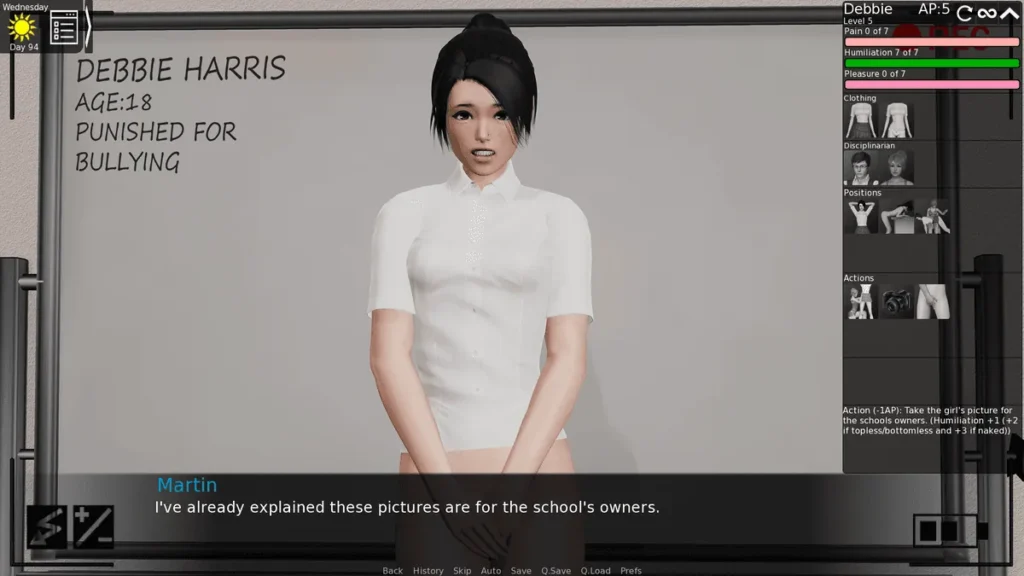
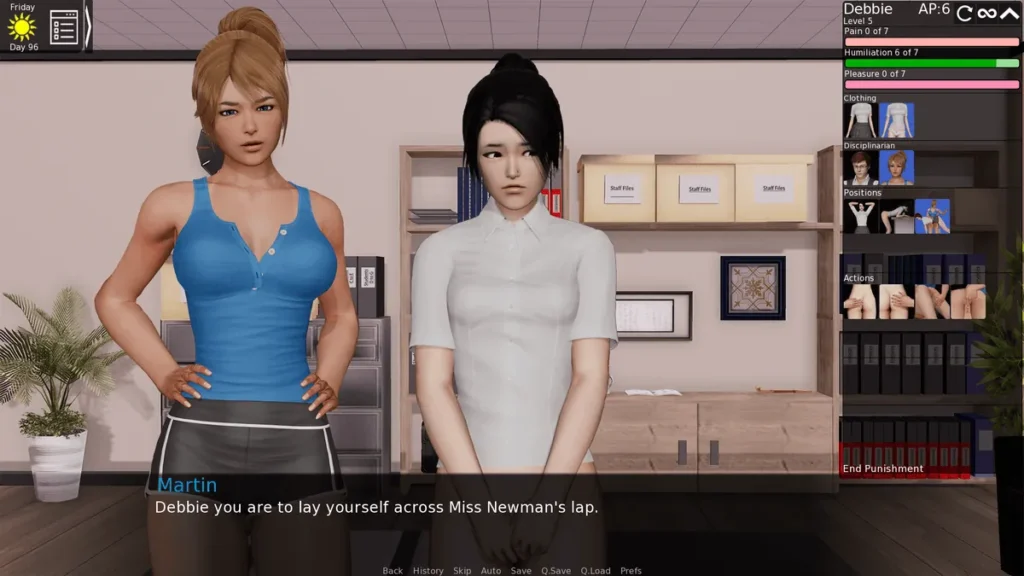
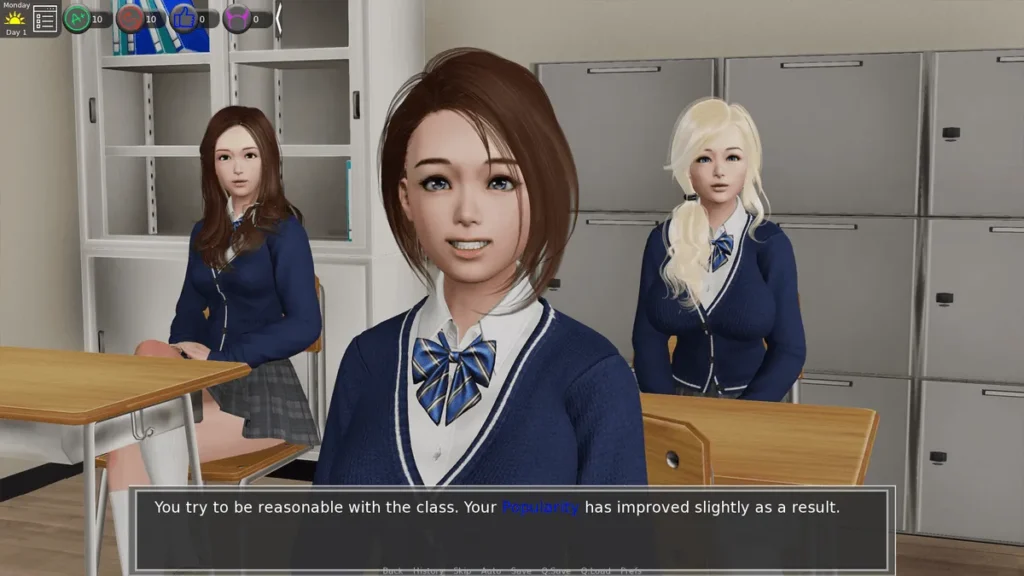
The Headmaster review
A comprehensive look at mechanics, choices, characters, and player strategies
The Headmaster is a provocative adult visual novel and management sim that puts you in the role of the head of a controversial boarding school; this guide dives into its core mechanics, narrative branches, and player strategies. In this article you’ll find an approachable walkthrough of major systems, choice consequences, character arcs, and practical tips to get the outcomes you want. Whether you’re aiming for story completion, specific character routes, or understanding the moral mechanics, this piece will walk you through playstyle decisions and pacing while sharing personal observations from extended play sessions.
Gameplay & Core Systems in The Headmaster
Welcome to the nerve center of your new academy! The Headmaster gameplay can feel overwhelming at first—so many levers to pull, so many stats to watch, and students whose futures (and your job) hang in the balance. But don’t worry, by the end of this chapter, you’ll understand the daily rhythm, the powerful numbers driving every outcome, and how your smallest choices echo into vastly different futures. Let’s get you ready to rule the school. 🏫
Overview of the day cycle, resources, and objectives
Your entire experience in The Headmaster is built around a tight, repeatable daily loop. Mastering this day cycle in The Headmaster is the first step to success. Think of each day as a precious resource you must spend wisely to advance your goals, whether they’re benevolent, tyrannical, or somewhere in between.
Each day is cleanly divided into three segments: Morning, Afternoon, and Evening. Your morning usually starts in your office, where you have a set number of Action Points (AP) to spend. This is your core resource for influencing the world. You might spend AP to:
* Visit a classroom to observe (and affect) a lesson.
* Call a student or staff member to your office for a private chat.
* Investigate school facilities or rumors.
* Review files and plan your next move.
The afternoon often involves mandatory events, like staff meetings where you can propose new school rules, or key story scenes that advance the plot. This is where you make public decisions that shape the school’s culture.
Evenings are for follow-up, personal projects, or special events. You might tutor a struggling student, deal with an unexpected crisis, or pursue your own private interests that slowly unlock deeper narrative layers. Once you’ve spent your AP or triggered the key events, the day ends, your stats are calculated, and you move forward—often with a weekly goal or inspection looming on the horizon.
Your primary objective is simple: keep your job by meeting the Board’s expectations, which usually revolve around student performance. But your personal objectives—shaping specific characters, uncovering secrets, or building a particular type of school—are what truly define your playthrough. Every action in this cycle feeds into a set of interconnected metrics that determine your success or failure.
Discipline, Influence, Grades: how the numbers drive outcomes
This is where the magic—and the tension—really happens. Three core systems talk to each other constantly: Discipline, Influence, and Grades. They form the engine of The Headmaster gameplay, and understanding their relationship is non-negotiable.
The Discipline System Guide 🧨
Discipline represents the school’s overall order and rule-following. It’s not just about punishment; it’s about structure. You raise it by enforcing rules, handing out detentions, and passing strict policies in meetings. Let it fall, and chaos ensues—students skip class, grades plummet, and your authority erodes.
* Low Discipline (Below 30): The school is unruly. Grade gains are minimal, and negative events are frequent.
* Moderate Discipline (30-60): The sweet spot for balanced play. Students learn effectively, and you have room to be either kind or firm.
* High Discipline (Above 60): The school runs like a tight ship. Grade gains are maximized, but student morale (tracked by other stats) may suffer. Push it too high, and you risk rebellion.
Personal Insight: I learned this the hard way. In my first playthrough, I thought being everyone’s friend was the key. I never punished anyone, and my Discipline languished in the 20s. Come the first monthly review, the students’ grades were disastrous because the learning environment was so unfocused. I barely kept my job!
Influence Mechanics in The Headmaster 🎭
Influence is your personal currency with characters and the student body. It’s split into two often-opposing paths: Fear and Popularity. Fear is gained through harsh, unpredictable punishments and tyrannical rules. Popularity comes from rewards, leniency, and advocating for the students. Your balance between these determines how characters perceive and react to you.
* High Fear: Students obey quickly out of terror, unlocking certain ruthless story options. However, they won’t trust you with secrets.
* High Popularity: Students are more likely to confide in you and support you, opening up different narrative branches and making them more receptive to personal requests.
Grades and Progression in The Headmaster 📈
This is your ultimate report card to the Board. Grades go up based on a few key factors: high Discipline (for a good learning environment), effective teachers, and your direct intervention via tutoring or classroom visits. Let’s break down how they interact:
| Core Stat | Primary Effect on Grades | How to Raise It |
|---|---|---|
| Discipline | Provides a multiplier to all grade gains. Low Discipline cripples progress. | Enforce rules, give punishments, pass strict policies. |
| Teacher Skill | Determines base grade gain per lesson in their subject. | Hire better staff, provide training, or… intervene personally. |
| Your Direct Actions | Immediate grade boosts for specific students or classes. | Tutoring sessions, motivational talks, or special “study” events. |
The beauty—and complexity—of The Headmaster gameplay is that almost every action touches multiple stats. Punishing a student might raise Discipline and Fear but lower Popularity and that student’s personal morale. Rewarding them does the opposite. It’s a constant balancing act.
Player choices and branching story paths
Every conversation, every rule passed, and every time you choose to help or hinder someone is a thread in a much larger tapestry. The Headmaster is a masterpiece of branching endings in the Headmaster game, and your stats are the signposts on the road.
The game signals major branching points clearly. You’ll get a warning that a decision is “final” or “will be remembered.” These often involve:
* Staff Decisions: Hiring, firing, or promoting a particular teacher.
* Student Allegiances: Choosing to side with one student (or group) over another in a conflict.
* Philosophical Stands: Implementing an extremely harsh or exceptionally liberal school policy that changes the game’s tone.
* Personal Relationships: Deciding how far to take your private interactions with key characters.
Your ending—and there are many—is a direct result of the school you’ve built and the relationships you’ve forged. A high-Fear, high-Discipline run might end with you as an unchallenged, despotic ruler of a perfect but joyless academy. A high-Popularity, moderate-Discipline run could see you hailed as a revolutionary educator. There are also endings tied to specific character arcs, secret discoveries, and even catastrophic failures like being fired or run out of town!
Beginner Tips for The Headmaster 🧠
Here’s some actionable advice to avoid common early pitfalls:
1. Don’t Ignore Discipline: My story above says it all. Aim to get it to at least 40 in the first week to enable steady grade growth.
2. Pick an Influence Path Early: Dabble a little, but try to lean into either Fear or Popularity. A middling score in both often means you’re not strong enough in either to unlock later story beats.
3. Talk to Everyone, But Focus: Use your early AP to meet all the staff and key students. Once you know them, focus on a few to deepen relationships efficiently.
4. Save Before Major Decisions: This is a choice-driven game. Save at the start of each day and before any staff meeting.
5. Read the Room: Before proposing a rule, check the staff’s displayed attitudes. If everyone is against it, maybe wait until you have more influence over them.
To put all this together, here’s a tactical checklist for your crucial first five days.
Your First Five Days: A Survival Checklist ✅
Day 1 & 2: Foundation
* Morning: Use AP to introduce yourself to all teachers and the head prefect. Observe one class to see a lesson in action.
* Afternoon: In your first staff meeting, propose one simple, moderate rule to gently raise Discipline.
* Evening: Review student files. Identify one student with very high or very low grades as a potential project.
* Stat Target: Get Discipline to 25.
Day 3 & 4: Application
* Morning: Call your “project” student in for a chat. Start building Influence. Visit another classroom.
* Afternoon: Follow up on any minor incident (e.g., a reported quarrel). Your handling sets your Fear/Popularity tone.
* Evening: If a tutoring option appears, take it for a direct Grades boost.
* Stat Target: Push Discipline to 40. Decide on your primary Influence direction.
Day 5: Consolidation
* Morning: Use an AP to investigate a school location related to an early rumor or quest.
* Afternoon: Attend any story event. Make your choices deliberately based on your chosen path.
* Evening: Check your overall progress. Are grades slowly ticking up? Good. If not, plan more classroom visits for next week.
* Goal: Ensure you feel you have a grip on the day cycle and are actively affecting your core stats with each action.
Stick to this framework, and you’ll transform from a bewildered newcomer into a Headmaster who’s truly in control, ready to steer your academy toward the future you desire. Now, go make your mark. 👨🏫
This guide has mapped The Headmaster’s systems, character routes, moral mechanics, practical walkthrough strategies, modding advice, and content considerations to help you make informed choices during play. Use the day-one checklist and character table to prioritize early stats, lean on the roleplay examples to shape the tone of your save, and follow the troubleshooting checklist if a route becomes locked or a save is compromised. If you enjoyed this breakdown, try applying one of the distinct playstyle checklists (reformer or authoritarian) in a fresh save and compare outcomes—then share your experience with the community.