
The Arson Betrayal
Play The Arson Betrayal
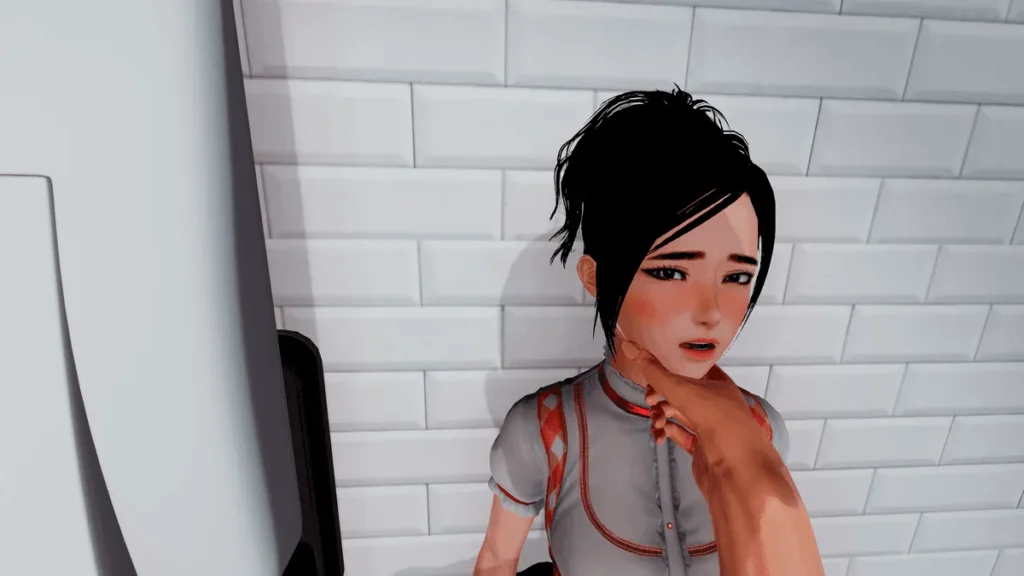
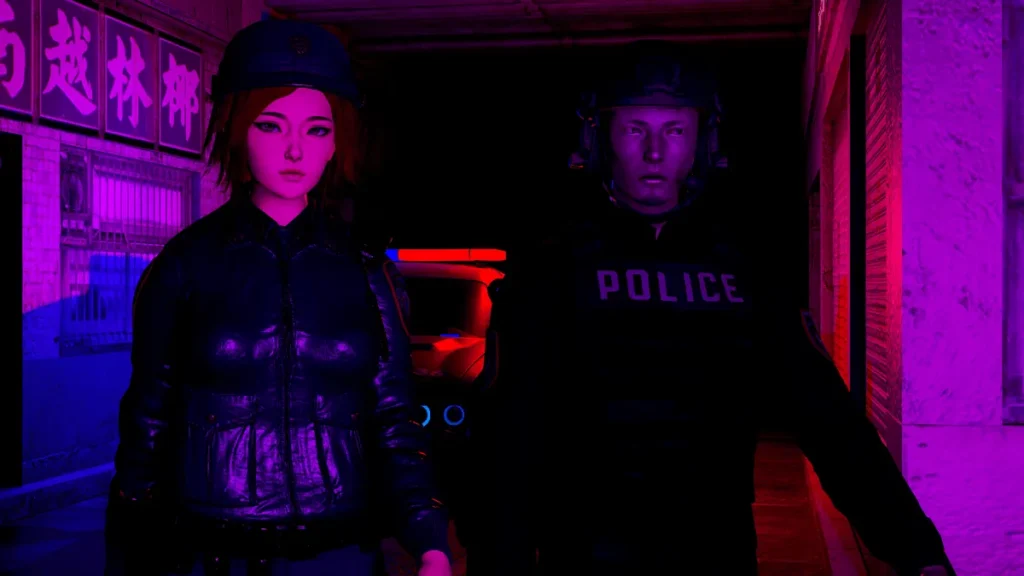
The Arson Betrayal Screenshots



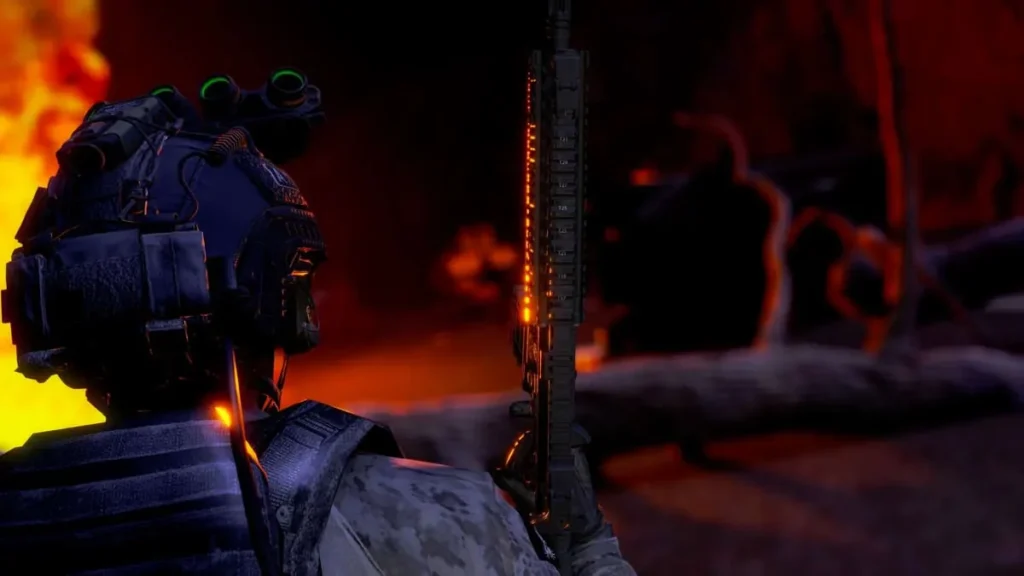




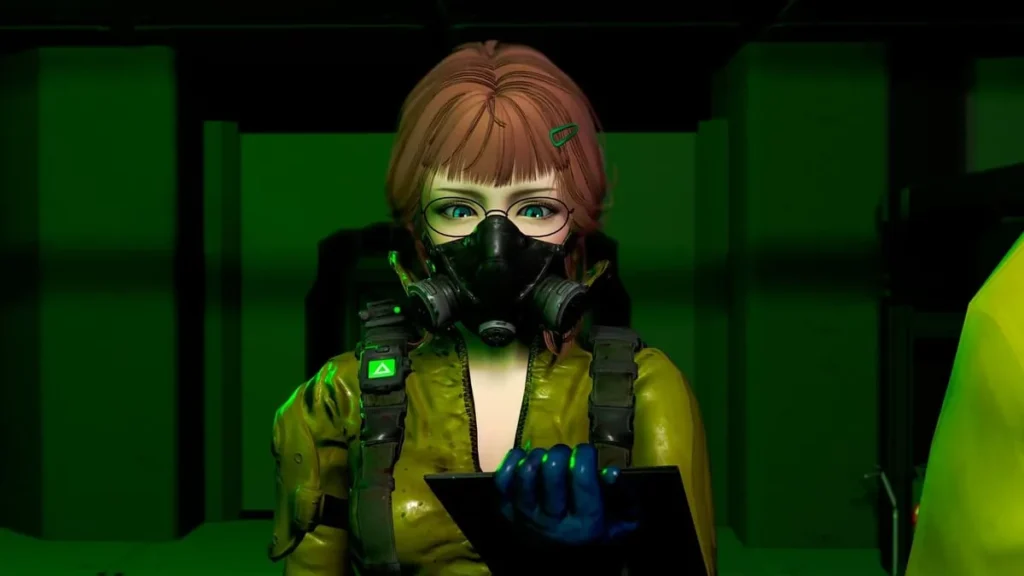



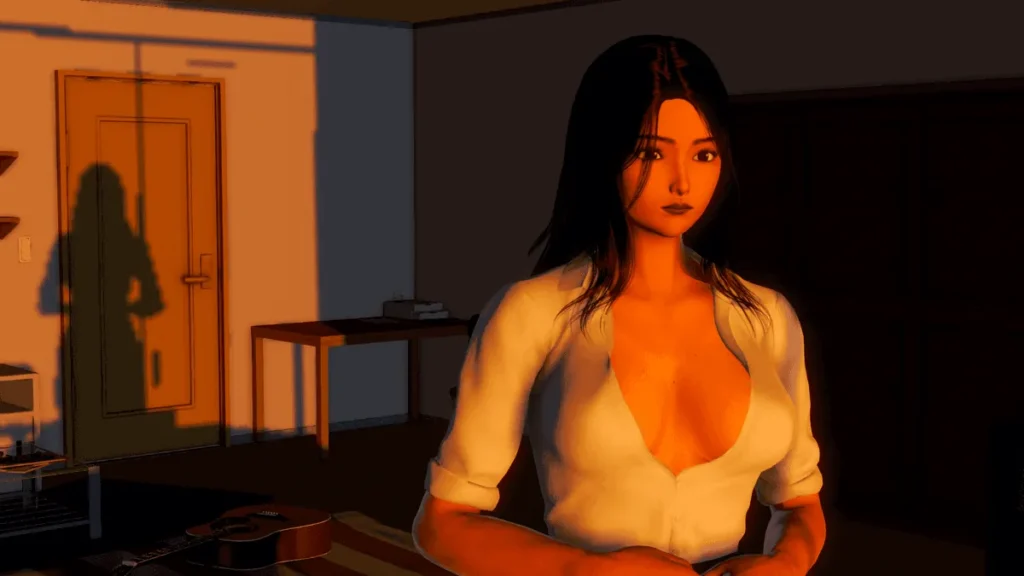
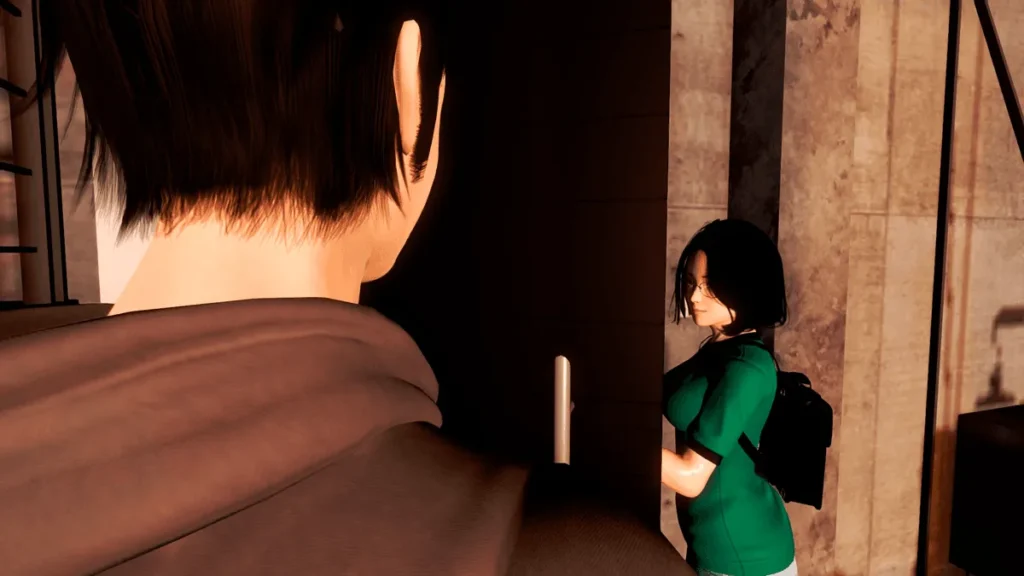









The Arson Betrayal review
Master every choice, ending, and character path in this noir-inspired visual novel
The Arson Betrayal stands out in the visual novel landscape with its distinctive film noir atmosphere and complex branching narrative. This indie game puts you in the shoes of Leo Somerfort, a young man navigating a world filled with moral ambiguity, difficult choices, and consequences that ripple through the story. Whether you’re a seasoned visual novel enthusiast or new to the genre, understanding the game’s mechanics, character relationships, and decision points is essential to unlocking all endings and experiencing everything this compelling narrative has to offer. This guide breaks down everything you need to know to master The Arson Betrayal.
Understanding The Arson Betrayal: Game Mechanics and Story Foundation
Most visual novels promise you choices, but how many actually make you feel the weight of every single word you select? 🕵️♂️ If you’ve ever played a story game where the “branching paths” felt more like slight detours back to the same highway, you’ll understand why The Arson Betrayal hits differently. It doesn’t just tell a noir tale; it uses its game mechanics to make you live it, where a single conversational misstep can lock you out of an ending or turn an ally into a vengeful enemy.
This isn’t about picking obvious “good” or “evil” options. It’s about navigating the murky, moral grey areas of a prestige university, where every interaction is a transaction and trust is the most dangerous currency. Your guide through this world is Leo Somerfort, the protagonist, a young man from a low-income background thrust into the glittering, cutthroat environment of Burgmeister & Royce. His decision to join the elite Delta Iota Kappa fraternity isn’t just about parties; it’s the catalyst that ignites the game’s central conflicts of loyalty, ambition, and identity.
So, before you dive into the smoke-filled rooms and whispered secrets, let’s break down the engine under the hood. Understanding these systems isn’t cheating—it’s essential to surviving your time at B&R and crafting the story you want to tell.
What Makes The Arson Betrayal Different From Other Visual Novels
At first glance, you might slot this into the “college drama” genre. But boot it up, and you’re immediately enveloped by something richer: a genuine noir visual novel. The difference is in the atmosphere and intention. The shadows aren’t just for show; they reflect the dual lives of the characters. The moody soundtrack and stylized art aren’t simply aesthetic—they’re narrative tools that build a pervasive sense of paranoia and allure.
I remember playing my first run, thinking I could charm my way through everyone. I failed spectacularly because I treated it like a dating sim. The Arson Betrayal is a branching narrative game of the highest order, where romantic entanglements are deeply woven into plots of power, betrayal, and social climbing. The developer, S.L., made a conscious choice to ensure that intimate scenes are never just titillation. They are character moments, revelations of vulnerability or manipulation, that are locked behind significant story progression and trust. The nudity serves the narrative, not the other way around, prioritizing emotional and psychological depth over gratuitous content.
Here are the key features that set its game mechanics apart:
- A True Point of No Return System: Unlike many visual novels that gently shepherd you, this game has hard forks. Your decisions in early chapters can completely eliminate access to major character paths later on.
- Silence is a Valid Choice: Often, the most powerful option is to say nothing at all. Your reticence can speak volumes, affecting how characters perceive Leo’s confidence and cunning.
- The “Noir Stance” Mechanic: Certain key decisions are presented with a distinct, stylized filter, highlighting moments where Leo must adopt a more cynical, detective-like perspective. These choices often have the farthest-reaching consequences.
- Environmental Storytelling: Clicking on background items in scenes isn’t just for filler; it can provide crucial context about the world, hint at character motivations, or even unlock special internal monologues for Leo.
- Balanced Narrative Pacing: The game expertly oscillates between slow-burn character development and intense, plot-driven sequences, mirroring the classic noir structure of investigation punctuated by sudden violence.
How Choice and Consequence Shape Your Journey
The core of the experience is the visual novel choice system. Forget simple morality meters. Here, every dialogue option, every action (or inaction), is a brick in the path you’re building. These choices are subtle. Agreeing with a character might earn you points, but shrewdly challenging them in a specific way might earn you more while also altering the scene’s direction.
The system is cumulative and often hidden. You won’t see a notification pop up every time you gain favor with Keller or piss off Vincent. The game trusts you to pay attention to the characters’ reactions—a slight shift in their expression, a change in their tone, a new, more cautious option appearing in a future conversation. This design makes every interaction feel tense and authentic. You’re not gaming a system; you’re trying to read a person.
Pro Tip: Save often and in multiple slots! 🗂️ The joy of this game is exploring the radically different stories that emerge from key decisions. One choice in Chapter 2 can determine whether a character views you as a protégé or a pawn by Chapter 6.
These choices directly funnel into The Arson Betrayal endings. There are no “golden” endings where everyone wins. Your ending is a direct reflection of the alliances you forged, the enemies you made, the truths you uncovered, and the personal code Leo adhered to (or abandoned). Did you climb the social ladder by any means necessary? Did you seek genuine connection in a world of lies? Did you burn it all down to expose the rot? The branching narrative game structure ensures your conclusion feels earned, a direct consequence of hundreds of large and small decisions.
Character Relationships and Point Systems Explained
This is where the game’s strategic heart beats. Every major character has a hidden relationship score that tracks Leo’s standing with them. These character relationship points are the gatekeepers to the story’s branches.
Think of it this way: the main plot is a river, but your points with each character are the keys to the canals that split off from it. To access Eliza’s personal storyline, you need a certain level of trust with her. To unravel Vincent’s secrets, you need him to see you as a valuable asset (or a sufficient threat). These points are fluid—gaining favor with one person might mean losing it with another, especially when their interests conflict.
Points are earned through:
* Dialogue Choices: Supporting their views, showing empathy, or demonstrating valuable insight.
* Actions: Taking their side in conflicts, completing tasks for them, or choosing to spend time with them.
* Shared Secrets: Choosing to confide in them or successfully uncovering their hidden truths.
They are lost through:
* Betrayal: Contradicting them publicly, breaking promises, or siding with their rivals.
* Insensitivity: Dismissing their core motivations or being overly aggressive.
* Neglect: Consistently choosing other paths and ignoring their storyline.
It’s a constant balancing act. In one playthrough, I was so focused on impressing the fraternity brass that I completely alienated a potential ally outside the Greek system, closing off a whole subplot that explored the university’s class dynamics. That’s the beauty—your priorities define your story.
To help you strategize, here’s a breakdown of the key thresholds for major characters. Remember, these scores are hidden in-game; this table is your insider’s guide to understanding the unlock requirements.
| Character | Neutral / Locked Path | Allied Path Unlock | Close / Romantic Path Unlock | Key Scene or Branch Gated |
|---|---|---|---|---|
| Vincent (Fraternity President) | < 20 Points | 20+ Points | 45+ Points | Access to the “Inner Circle” meetings; decides if he becomes your mentor or your antagonist. |
| Eliza (Fellow Student) | < 15 Points | 15+ Points | 40+ Points | Unlocks the off-campus investigation storyline; determines depth of her alliance. |
| Keller (Faculty Advisor) | < 25 Points | 25+ Points | N/A (Non-romantic) | Access to restricted archives and administrative leverage; unlocks the “Institutional Knowledge” branch. |
| Marcus (Rival) | 0 to -10 Points | N/A (Always tense) | N/A | Negative points can trigger his “Vendetta” subplot, leading to unique confrontations and endings. |
Mastering this system is how you move from being a passive reader to an active architect of Leo’s destiny. It’s how you explore the game’s deep themes of conflict, morality, and personal growth. Will Leo be changed by the world he enters, or will he find a way to change it? The character relationship points are your tools to find out, one deliberate, heart-pounding choice at a time. 🎭
Now that you understand the foundation—the noir mood, the weight of choice, and the precision of the relationship system—you’re ready to step onto the campus of Burgmeister & Royce. Remember, in The Arson Betrayal, every handshake can be a gamble, and every friendly smile can hide a secret. Your journey with Leo Somerfort, the protagonist, begins not with a bang, but with a careful, calculated step into the shadows. Good luck. You’ll need it.
The Arson Betrayal delivers a sophisticated visual novel experience that prioritizes narrative depth and meaningful choices over gratuitous content. By understanding the game’s relationship point system, decision trees, and how your choices accumulate consequences, you can strategically navigate Leo’s journey to unlock all endings and character paths. Whether you’re pursuing a specific character route or aiming for the complete experience, this guide provides the framework to make informed decisions that align with your desired outcome. The game’s noir atmosphere combined with its complex moral landscape creates a memorable interactive story that rewards careful attention to character development and narrative consequences. Dive into The Arson Betrayal with confidence, knowing that every choice you make genuinely shapes your unique story.