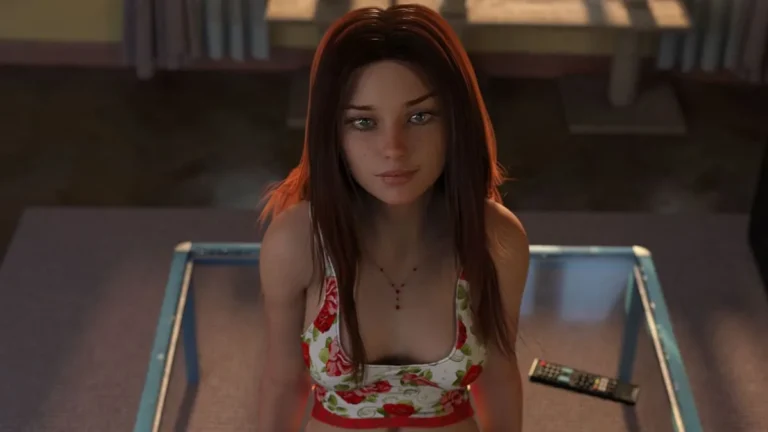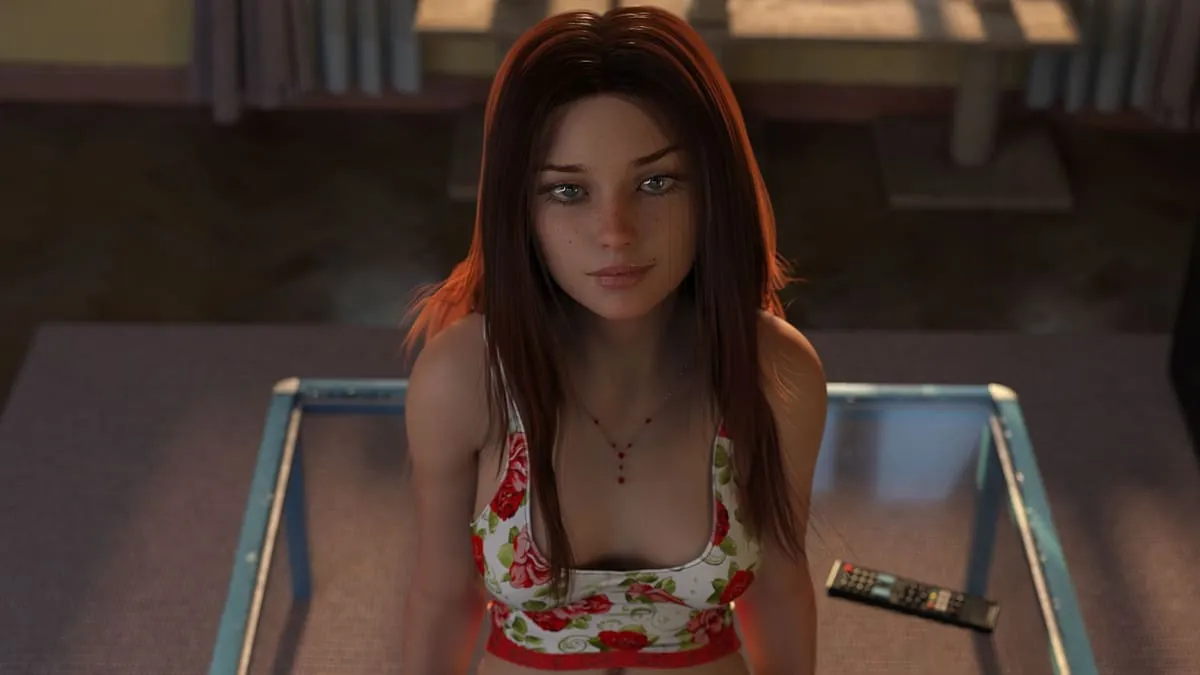
Summer’s Gone
Play Summer’s Gone
Summer’s Gone Screenshots









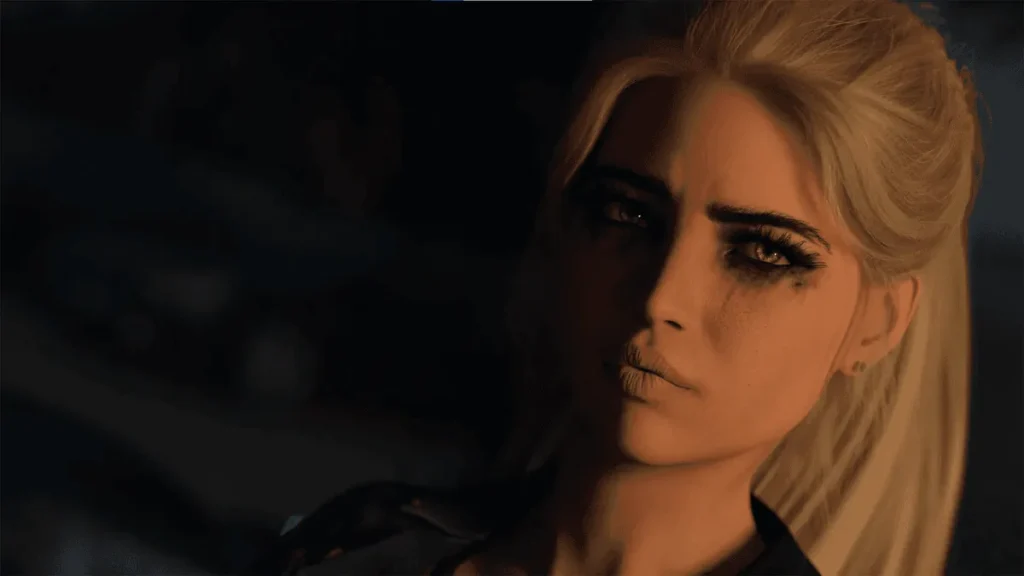





Summer’s Gone review
Discover the story of hope, love, and personal growth in this standout interactive experience
Imagine stepping into a world where summer’s end sparks not just nostalgia, but a profound journey of healing and connection. Summer’s Gone Season 1 isn’t your average visual novel—it’s a high-quality interactive tale about a young man battling depression, isolation, and the shadows of his past. With stunning visuals, deep character development, and themes of mental health, ambition, and love, this game hooked me from the first scene. I remember my late-night sessions, choices rippling through relationships that felt incredibly real. If you’re craving erotic content wrapped in a meaningful story, dive into Summer’s Gone and let it shatter your comfort zone.
What Makes Summer’s Gone Season 1 a Must-Play Visual Novel?
I found “Summer’s Gone” during a time when I felt completely out of sync with the world. You know that feeling? Where everyone else seems to have a script for life that you never got, and the pressure to just “be okay” becomes its own heavy weight. 😔 I was scrolling, looking for an escape, and stumbled upon this title. What I discovered wasn’t just a game; it was a mirror, and then a guide. It became a profound experience in visual novel healing, showing me that stories can be interactive medicine for the soul.
So, what is Summer’s Gone? At its heart, it’s a story about picking up the pieces. You step into the worn-out sneakers of a young man who was once a basketball star, his future bright, until a profound personal tragedy shattered his world. Now, he’s a shadow—numb, isolated, and haunted. The game begins as he’s pushed to enroll at ZPR University, a place filled with its own mysteries and social labyrinths. His journey isn’t about instantly becoming the hero; it’s about the exhausting, non-linear work of facing each day. This is the core of the Summer’s Gone story: a raw, honest look at the aftermath of loss and the slow, fragile path back toward feeling. It’s this premise that makes Summer’s Gone Season 1 such a standout piece of interactive storytelling.
Why the Story of Healing and Hope Resonates So Deeply
The magic of this interactive visual novel isn’t in flashy action or cheap thrills. It’s in the quiet moments. The struggle to get out of bed. The shame of facing old friends who remember who you were. The acute loneliness of being in a crowd. 🏙️ This game doesn’t romanticize depression or anxiety; it gives them a face, a voice, and a palpable weight. You don’t just watch the protagonist grapple with these feelings—you feel the hesitation in every dialogue choice, the urge to withdraw, and the tiny, terrifying sparks of hope when a connection is made.
What resonates is the game’s brutal honesty about not fitting social templates. Our main character isn’t the cool, confident lead of a teen drama. He’s broken, often irritable, and deeply vulnerable. As you guide him through his new life at ZPR, you meet other characters carrying their own hidden burdens—the overachiever hiding her pain, the cheerful friend masking his insecurities. The worldbuilding is subtle, built through these interpersonal connections and the serene, sometimes melancholic environments of the university and its surroundings.
This is where the visual novel healing process truly takes root. By living this story, you’re not just being told that recovery is possible; you’re actively participating in its incremental victories. A genuine laugh shared with a new friend, the courage to attend a tryout, the simple act of trusting someone with a piece of your truth—these are the milestones. The game frames hope not as a blinding light, but as a fragile candle slowly growing brighter against the dark, making Summer’s Gone Season 1 a uniquely powerful mental health visual novel.
How Choices Shape Your Journey Through Isolation and Love
This is where Summer’s Gone transforms from a story you read into a journey you live. As an interactive visual novel, your choices are the heartbeat of the experience. Every decision, from how you respond to a probing question to which potential friend or love interest you spend time with, subtly molds the protagonist’s path. Will he retreat further into his shell, or will he tentatively reach out? The game masterfully makes you feel the consequence of these moments.
The relationships you build are the primary vehicle for growth. This isn’t a simple dating simulator; it’s about how choices shape your journey through complex human dynamics. Will you be honest with Bella about your past, risking judgment for a chance at real understanding? 🤝 Will you support Sasha in her ambitions, forming a bond based on mutual respect? The game’s branching paths mean your experience is deeply personal. You’re not just selecting a “romance route”; you’re deciding which connections will help your character heal and which walls might remain standing.
My Practical Tip: Keep a notepad app open or a physical journal while you play. Jot down major choices and your feelings about key characters. Summer’s Gone has a way of presenting decisions that seem small but echo later. Tracking them enhances the immersion and helps you craft the story you want to see—whether it’s one of cautious rebuilding or more assertive re-engagement with the world.
And let’s address the elephant in the room: the adult content. Many hear “erotic visual novel” and make assumptions. In Summer’s Gone Season 1, the story absolutely takes precedence. Any intimate elements are earned through deep narrative and emotional development. They are expressions of the connection and vulnerability you’ve built, not the goal itself. This approach makes those moments feel like a natural, meaningful part of the character’s reawakening and journey toward love, rather than gratuitous content.
| Common Player Question | Answer & Insight |
|---|---|
| Is Summer’s Gone suitable for story-focused players? | Absolutely. The narrative depth, character development, and themes of healing are the core pillars. It’s a story-first experience that uses its interactive format to enhance emotional investment. |
| How long is Season 1? | A full playthrough can take 15-25 hours, depending on your reading pace and how much you explore. The richness justifies the time, making it a truly immersive experience. |
Exploring Mental Health Themes in an Interactive Format
The portrayal of depression in games is often shallow—a temporary sadness cured by a quest. Summer’s Gone does something radical: it lets you sit in the discomfort. The interactive visual novel format is perfect for this. You don’t just watch a cutscene of the protagonist feeling low; you actively choose how he spends a lonely evening, or if he cancels plans. You feel the inertia. This creates a powerful, empathetic understanding.
The game explores a tapestry of mental health themes with a sensitive hand. There’s the heavy blanket of depression, the sharp sting of shame over a derailed life, the loneliness of believing no one could understand, and the anxiety of trying to rebuild an identity. By making you the navigator of this terrain, the game becomes a safe space to confront these feelings indirectly. You’re practicing resilience, empathy, and decision-making within a fictional framework, which can be incredibly validating and even therapeutic. This is the hallmark of a great mental health visual novel.
Facing past demons is a central theme. Through flashbacks and internal monologues, you piece together the tragedy that halted the protagonist’s life. The game doesn’t offer a single, easy solution. Healing is messy. It involves setbacks, moments of rage, and tearful breakthroughs. 😥 As you guide him through conversations with a insightful college professor or a steadfast old friend, you engage in the very work of therapy: reframing the past, acknowledging pain, and learning to carry it without letting it define you.
This character-driven narrative ensures that every theme is felt, not just lectured. You see how Nami’s persistent kindness chips away at his defenses. You understand how Vic’s own hidden struggles create a bond of mutual, unspoken support. The game argues that healing happens in communion with others, and your choices determine what that communion looks like.
So, how do you start your own journey in Summer’s Gone Season 1? Here’s my actionable advice:
1. Embrace the Pace: This isn’t a action game. Let yourself read slowly, absorb the atmosphere, and listen to the fantastic soundtrack that sets the mood.
2. Choose Honestly: Rather than trying to “game” the system for a perfect outcome, make choices that feel true to how you, or the character, might genuinely react in that moment. The most rewarding paths often come from this authenticity.
3. Pay Attention to Everyone: While you may be drawn to a particular love interest, invest time in all the characters. The platonic friendships in Summer’s Gone are just as crucial to the healing process as the romantic ones.
4. Don’t Fear the Silence: The game uses pauses, internal thoughts, and environmental descriptions powerfully. Sit with them. They’re often where the most profound visual novel healing occurs.
Ultimately, Summer’s Gone is more than a game. It’s an experience that stays with you. It’s about the audacity to hope after despair, the courage to connect after isolation, and the lifelong project of personal growth. Summer’s Gone Season 1 provides a beautiful, heartbreaking, and ultimately hopeful framework to explore all of that, making it a must-play for anyone who believes in the power of stories.
- Depression & Isolation: It portrays the numbness and self-imposed exile not as weakness, but as a realistic response to deep pain, making the gradual steps toward light feel earned and real.
- Ambition & Identity: The thread of basketball isn’t just a plot device; it’s a symbol of a lost self. Reckoning with what was “taken” and what can be “rebuilt” is a core struggle.
- Love & Vulnerability: Love is presented as a healing force, but only when it’s built on honesty and the terrifying risk of being seen in your broken state.
- Shame & Resilience: The constant fight against the voice that says “you are less than you were” is a powerful theme. The game is about rewriting that internal narrative.
- Friendship & Chosen Family: Healing isn’t a solo mission. The bonds formed at ZPR become a new, essential support system, highlighting that we recover in community.
Summer’s Gone Season 1 left me reflecting on my own battles with isolation, showing how a game can blend erotic tension with genuine emotional depth. From the protagonist’s basketball past to forging bonds that heal old wounds, every choice pulls you deeper into a narrative of hope and connection. If you’ve felt lost in life’s comfort zones, this visual novel offers a path forward. Grab it now, make those pivotal decisions, and experience the transformation yourself—your next favorite story awaits.