Star Periphery
Play Star Periphery
Star Periphery Screenshots



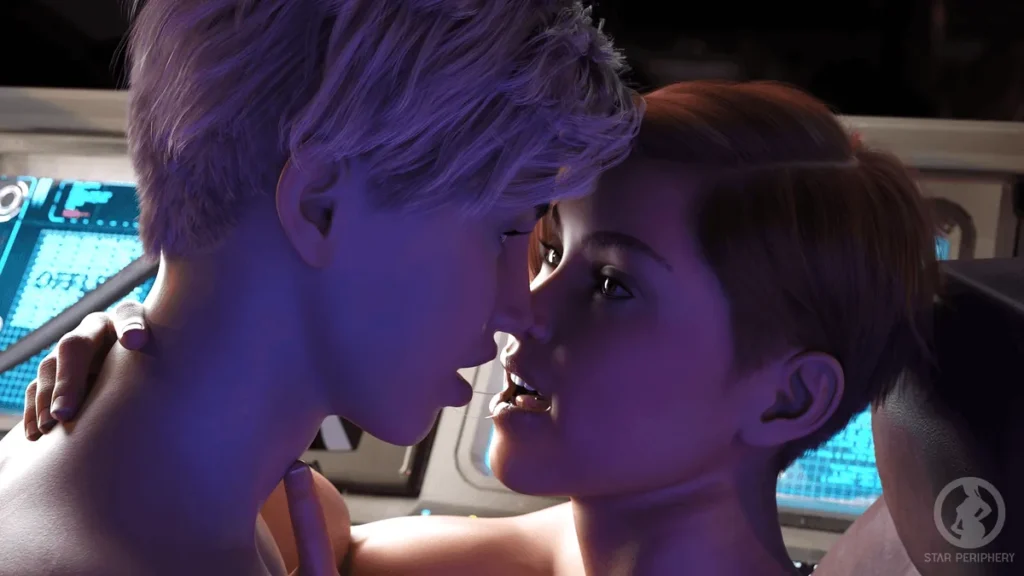

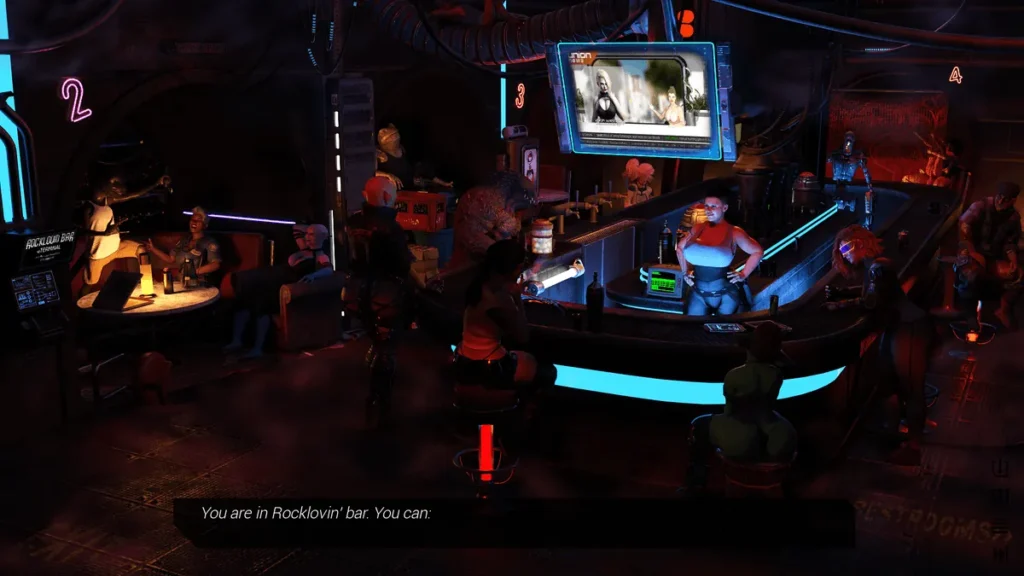
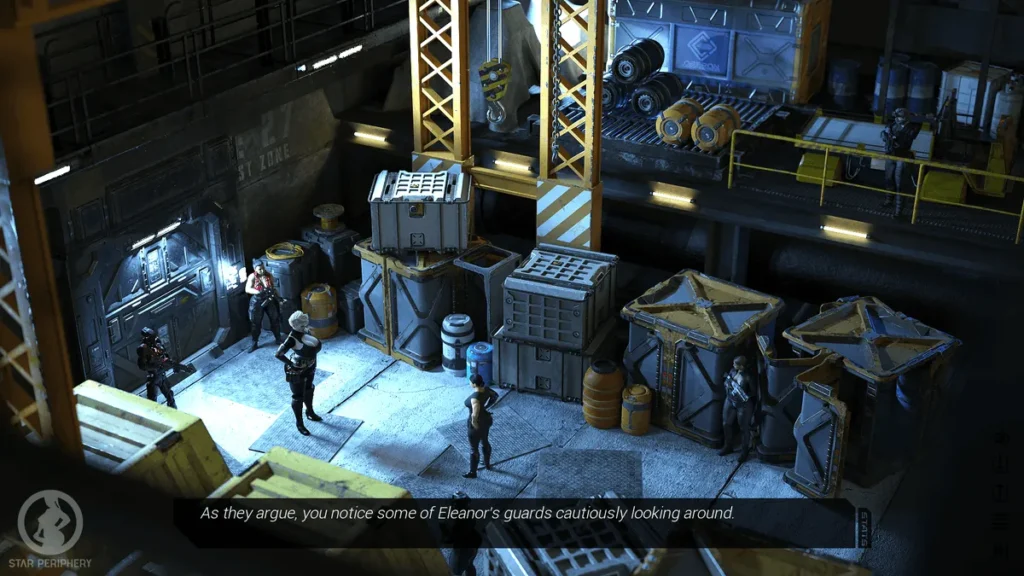
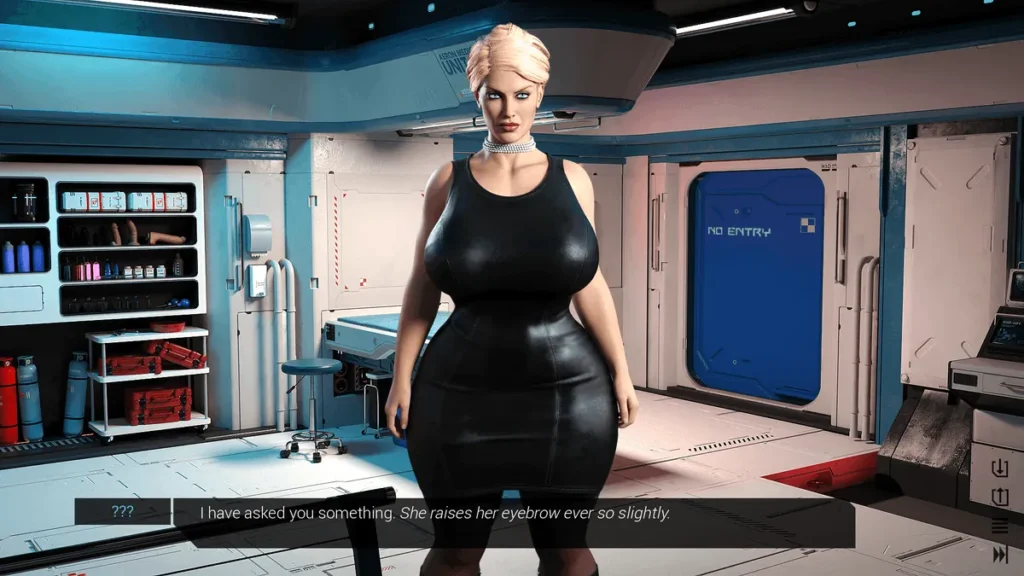

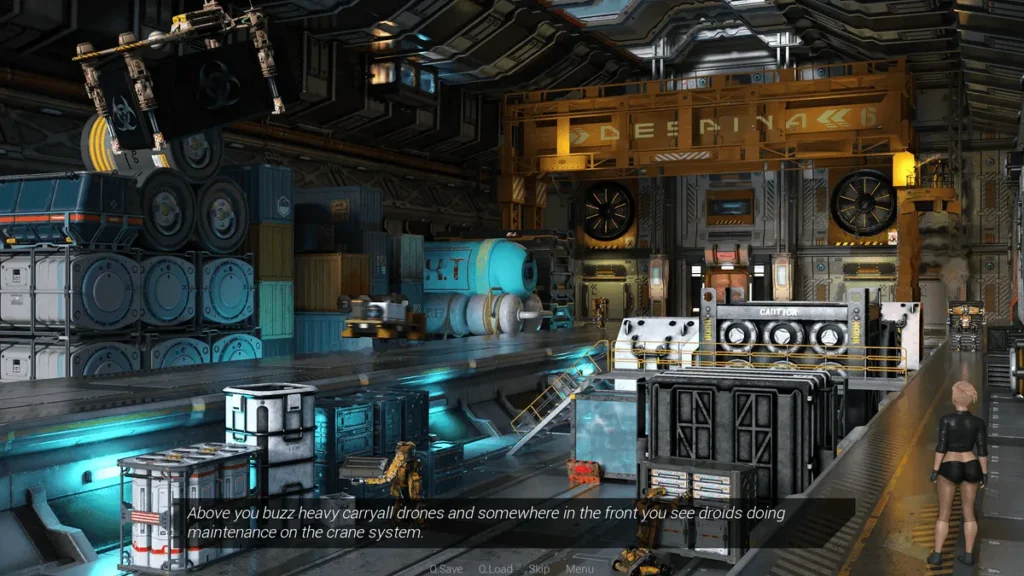
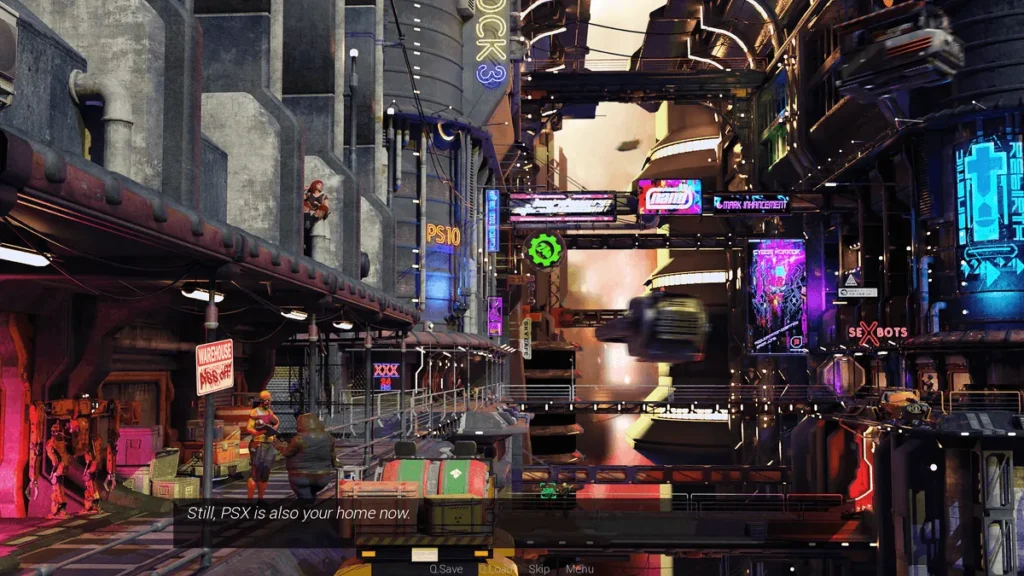
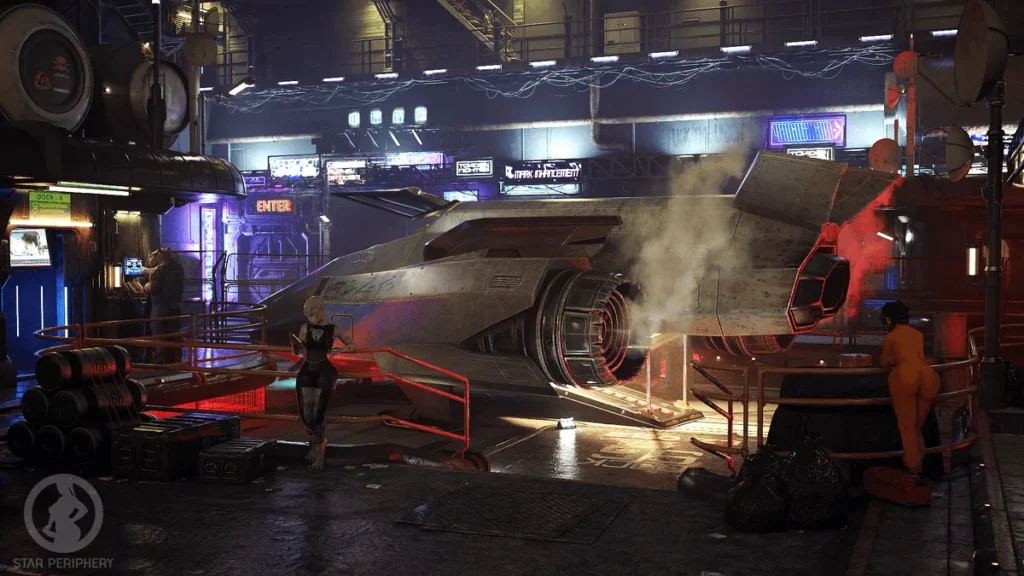
Star Periphery review
Explore the Unique Storytelling and Gameplay of Star Periphery
Star Periphery offers a captivating blend of retro sci-fi aesthetics and immersive adult-themed gameplay. This game stands out with its rich storytelling, dynamic environments, and customizable experiences that engage players deeply. Whether you’re drawn by its futuristic atmosphere or its nuanced character interactions, Star Periphery delivers a unique adventure that evolves with your choices. In this article, we’ll dive into the key aspects of Star Periphery, helping you understand what makes it a standout title in its genre.
Exploring the World and Storyline of Star Periphery
Remember that feeling of starting a new game, only to realize the “epic” story is just a fancy corridor with shooting galleries? 😩 You’re not a protagonist; you’re a passenger. I’ve lost count of the games that promised a grand adventure but delivered a theme park ride on rails. That’s why, the first time I booted up Star Periphery, I was genuinely stunned. This wasn’t just another space opera. It was an invitation to a universe that felt old, lived-in, and—most importantly—wildly responsive to my every decision.
What Sets Star Periphery’s Story Apart? 🪐
At its core, the Star Periphery storyline isn’t about saving the galaxy from a faceless evil empire. It’s a personal, gritty tale of survival and consequence on the fringes of known space. You’re not a chosen one; you’re a nobody with a beat-up ship, trying to carve out a life in the Halcyon Sector, a region littered with the decaying remnants of a long-collapsed golden age.
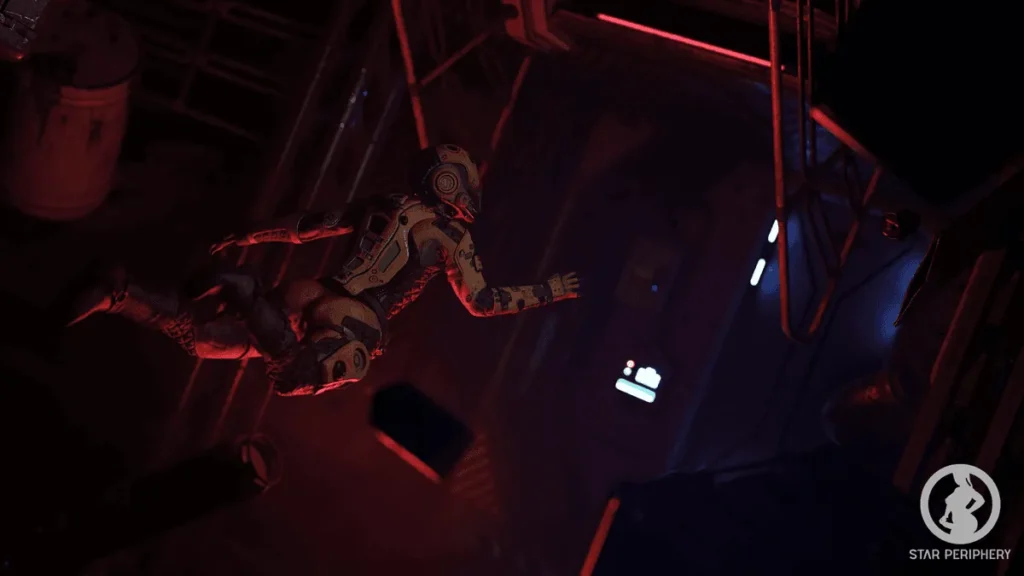
This retro sci-fi game setting is a masterclass in atmosphere. Imagine the tactile, analogue tech of Alien meeting the neon-drenched cynicism of Blade Runner, all viewed through a CRT-filtered lens. Screens glitch, holograms flicker, and every piece of machinery looks like it could fail at any moment. This aesthetic isn’t just for show—it directly informs the Star Periphery storyline. You’re not exploring pristine, utopian worlds; you’re picking through scrap heaps of dead civilizations, where the most valuable secrets are buried under rust and dust.
My Tip: Don’t rush through the environments. The setting is part of the narrative. A faded mural on a derelict station wall or a corrupted data-log can tell you more about this universe than any expository cutscene.
What truly defines this experience is its structure as a branching narrative game. From the very first mission, you’re presented with meaningful dilemmas. Do you honor a sketchy contract with a mining guild, or side with the desperate independent prospectors they’re squeezing out? There’s no obvious “good” or “evil” choice—just different shades of gray, each with rippling consequences that can resurface hours later. The Star Periphery storyline is a web, not a line, and you are the spider at its center, deciding which threads to strengthen and which to sever.
How Player Choices Shape the Narrative ⚖️
This is where Star Periphery truly shines. The player choice impact is not an illusion. It’s the engine of the entire game. I learned this the hard way on my first playthrough. Early on, I encountered a family of refugees whose ship was crippled. I had a tight deadline on a lucrative job. The “good” thing would be to help them, but it would cost me precious credits and time. I chose the job.
Weeks later (in-game time), I was ambushed in a remote asteroid belt. My shields were failing. Suddenly, a familiar ship warped in—it was the brother of that refugee family, now part of a local militia. He recognized my ship… and left me to my fate. My earlier decision, which I’d completely forgotten about, had directly created a new enemy. The player choice impact is that profound. Characters remember your actions, alliances shift, and entire story branches can be locked off or unlocked based on seemingly minor interactions.
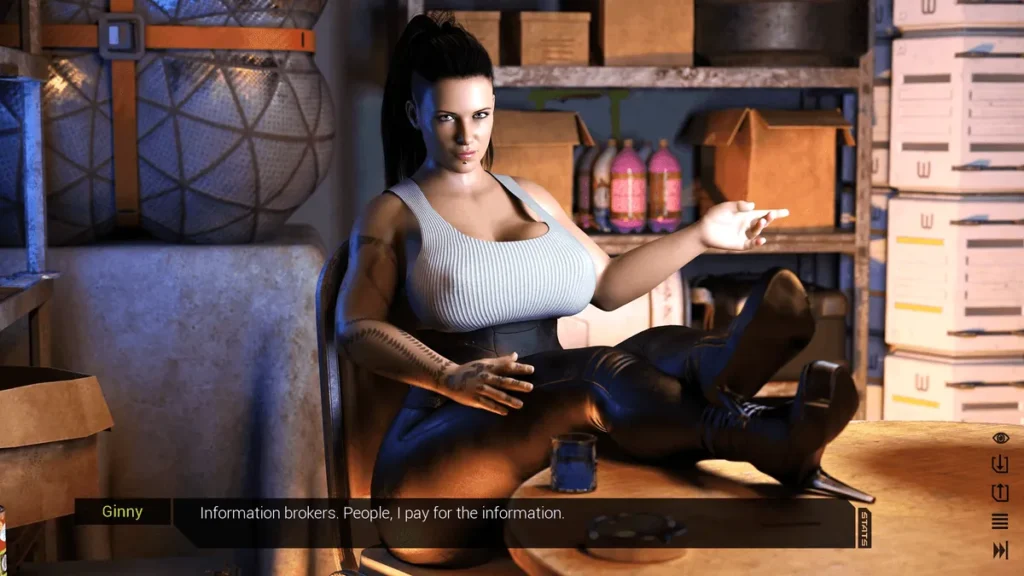
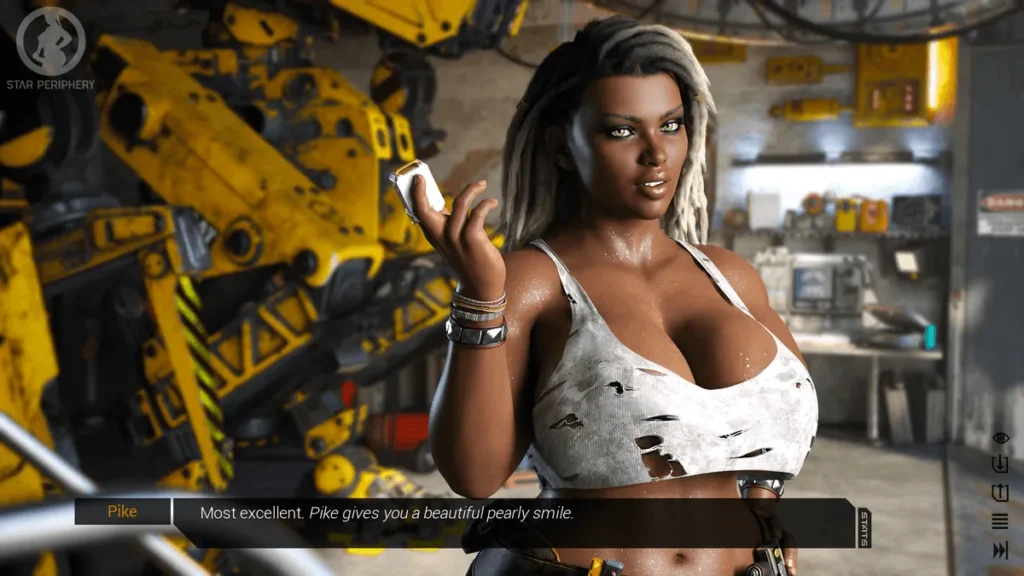
This is facilitated by some of the richest Star Periphery NPC interactions I’ve ever experienced. These characters aren’t quest dispensers; they have their own motivations, secrets, and shifting loyalties. A bartender might share a crucial rumor if you buy him a drink and listen to his woes. A rival smuggler might become a grudging ally if you help them out of a jam. Every conversation is a potential pivot point.
To give you a clearer idea of how these threads weave together, here’s a look at some early-game decisions and their potential long-tail effects:
| Your Decision | Immediate Consequence | Potential Long-Term Ripple |
|---|---|---|
| Spare a defeated rival pirate captain. | Gain a small reputation boost with independent factions. | They may later return to aid you in a critical fleet battle, or betray you to a stronger foe. |
| Sabotage a corrupt corporate water refinery. | Earn the gratitude (and discounts) of a desert settlement. | Unlock a unique “environmentalist” story branch, but make a powerful megacorp a permanent enemy. |
| Keep a mysterious alien artifact for yourself instead of selling it. | Lose out on a large cash reward. | The artifact may slowly alter your ship’s capabilities or attract the attention of a hidden, ancient faction. |
The beauty is that there’s no guide for the “best” path. You are writing your own unique version of the Star Periphery storyline through every action and conversation.
Immersive Retro Sci-Fi Atmosphere 🎧
All of this narrative depth would be for nothing if the world didn’t feel real. Star Periphery nails the immersive sci-fi atmosphere from the second you start playing. The sound design is impeccable—the hum of your ship’s reactor, the static-filled comms chatter, the eerie silence of a derelict space hulk. I highly recommend playing with headphones to catch the subtle environmental cues that can warn you of danger or point you toward secrets.
This atmosphere is the bedrock for meaningful exploration in Star Periphery. Unlike vast, empty open worlds, every sector in the Halcyon Sector feels hand-crafted and purposeful. Exploration in Star Periphery is rewarded not just with loot, but with story. You might stumble upon a hidden listening post that reveals a faction’s secret plans, or find a personal diary on a wreck that adds tragic context to a main quest. The game trusts you to be curious, and it always makes that curiosity worthwhile.
The retro sci-fi game setting extends to your tools. Your scanner is a chunky, green-screened device that you must physically interpret. Navigation involves plotting jump points on a staticky star map. This tactile interaction forces you to engage with the universe, making every discovery feel earned. You’re not just following a quest marker; you’re a true explorer piecing together the mysteries of the periphery.
Ultimately, the Star Periphery storyline, its demanding choices, and its thick, tangible atmosphere combine to create something special. It’s a game that respects your intelligence and rewards your investment. You won’t just remember the plot twists; you’ll remember the reasons behind them—the choices you made, the people you crossed or saved, and the silent, rusting corners of space you chose to investigate. It’s not just a game you play; it’s a story you live, breathe, and truly own. And in my book, that’s the highest praise a narrative-driven game can get. 🚀
Star Periphery offers a richly detailed and immersive experience that combines a compelling retro sci-fi world with engaging gameplay and thoughtful adult content design. Its branching narrative and dynamic environments invite players to explore and shape their adventure uniquely. Whether you are drawn to the story, the customization, or the atmospheric setting, Star Periphery provides a memorable journey worth diving into. Ready to embark on your own adventure? Dive into Star Periphery and discover the universe waiting for you.