Short Sad Stories
Play Short Sad Stories
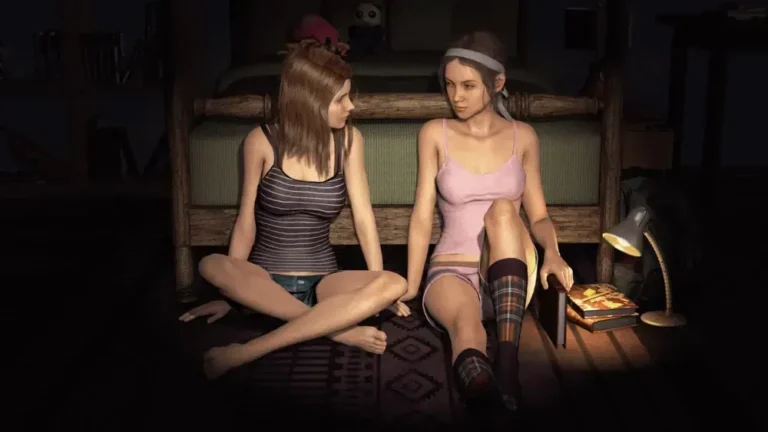
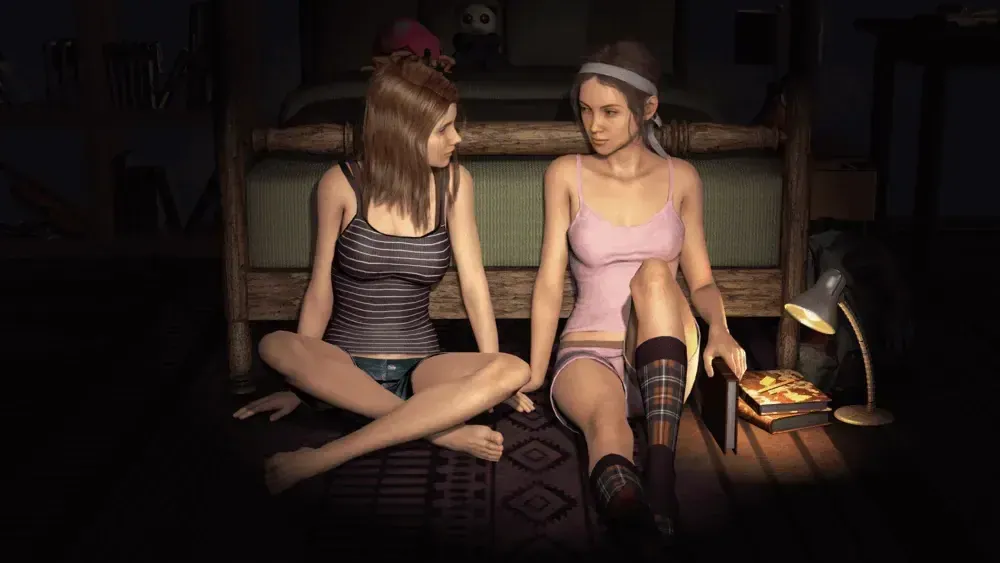
Short Sad Stories Screenshots


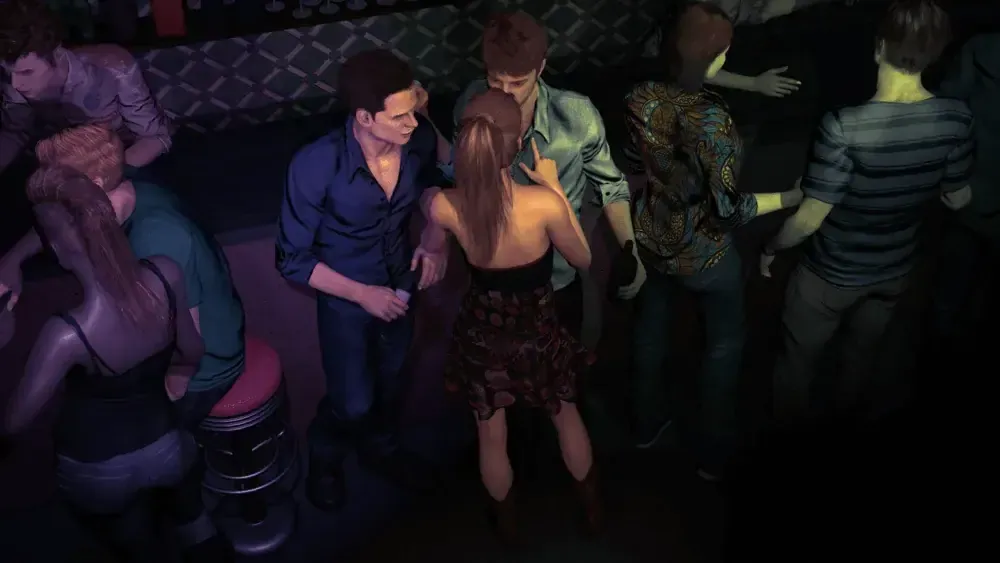
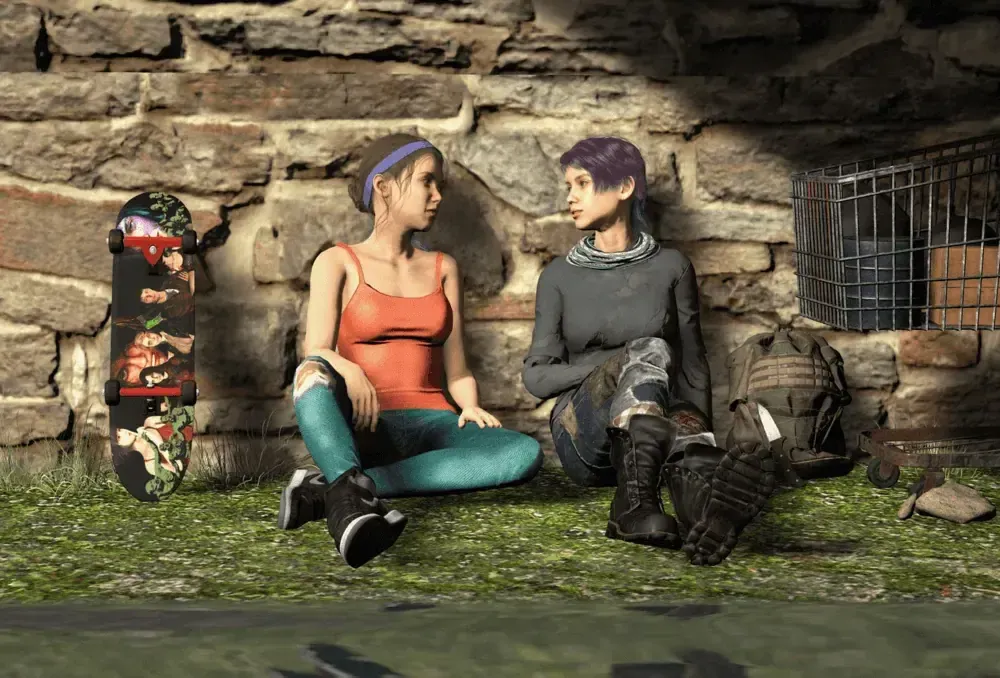
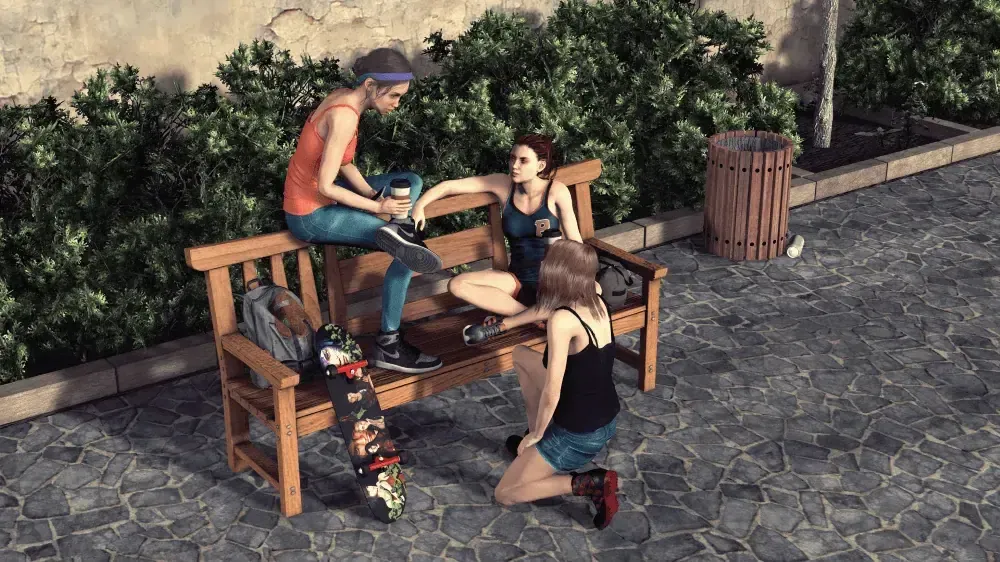
Short Sad Stories review
Dive into Heartbreaking Tales and Player Choices in Pent Panda’s Masterpiece
Imagine stepping into a world where every choice tugs at your heartstrings, blending raw emotion with intimate moments in Short Sad Stories. This captivating visual novel by Pent Panda pulls you into the life of Alice, a dreamy girl navigating the blurred lines between reality and fantasy. As a player, you’ll face dilemmas that mirror our own struggles with loss, hope, and hidden desires. I remember my first playthrough—those branching paths left me replaying late into the night, uncovering layers of sadness and connection. Whether you’re here to explore its poignant narratives or master its choices, this guide uncovers why Short Sad Stories resonates so deeply, offering tips to enhance your journey through its touching scenes.
What Makes Short Sad Stories an Unforgettable Journey?
I still remember the night I first booted up Short Sad Stories game. It was one of those aimless, late-night scrolls through a digital storefront, and the title alone snagged my attention. An hour later, I was sitting in the dark, completely still, feeling a quiet ache in my chest I hadn’t asked for. This wasn’t just another game; it was an emotional experience that lingered long after I closed my laptop. 😔 That’s the unique power of Pent Panda’s masterpiece—it doesn’t just tell you a tale; it makes you feel its weight.
At its heart, the Short Sad Stories visual novel weaves together the lives of young adults navigating a sprawling city and their own personal crossroads. But for me, and for so many players, one journey stands out: Alice’s. The Short Sad Stories story is a collection of poignant narratives, but Alice’s arc is the emotional core that ties everything together, transforming it from a simple game into an unforgettable journey of empathy.
Who Is Alice and Why Does Her Story Grip You? 😢
Alice isn’t your typical protagonist. She’s caught between two worlds: the harsh, sometimes lonely reality of her daily life and the vivid, comforting escape of her imagination. The Alice Short Sad Stories narrative explores her struggle with maturity, the pain of past regrets, and the flickering hope for connection. You meet her as she’s grappling with these dualities—attending university, dealing with complex relationships, and often retreating into a fantasy world that feels safer than the real one.
What makes her so compelling isn’t that she’s heroic, but that she’s heartbreakingly human. Her flaws, her moments of weakness, and her desperate search for meaning are all laid bare. The genius of Pent Panda Short Sad Stories (especially in the expansive Final + DLC version) is how it builds this character not through exposition, but through fragile, intimate moments. You learn about her through a quiet conversation over coffee, the way she hesitates before sending a text, or the sadness in her eyes when her fantasy world begins to crack. Playing her story feels less like controlling a character and more like walking beside a friend through a difficult time, making the emotional Short Sad Stories payoff profoundly personal.
How Player Choices Shape Heartbreaking Outcomes? 🧭
This is where the Short Sad Stories game truly shines. Your Short Sad Stories choices don’t just lead to a generic “good” or “bad” ending signpost. Instead, they carefully sculpt your understanding of the characters and the emotional depth of the journey. The branching pathways are designed to reflect internal struggles, not just plot points.
For example, a major thematic branch in Alice’s story often pits reconciling with a painful past against sinking deeper into a lonely fantasy. Choosing to have Alice confront a painful memory might unlock a scene of tearful vulnerability with another character, strengthening a real-world bond but at a great emotional cost. Conversely, encouraging her escape into imagination might lead to a beautifully sad, surreal sequence that feels comforting in the moment but widens the gap between her and reality.
The outcome isn’t about winning; it’s about witnessing the consequence of a emotional posture. These Short Sad Stories choices are subtle—a tone of voice, a decision to reach out or pull away, a moment of honesty or self-deception. They change the context of scenes, reveal new dialogues, and alter how characters perceive each other. To get the full, devastating picture, you need to play multiple times.
Practical Advice: Play it blind the first time. Let your instincts guide you. Then, play again, making deliberately different Short Sad Stories choices. Resist the urge to save-scum (reloading to try different options immediately). The impact comes from committing to a path and living with its unique emotional landscape.
Here’s a look at some of the core emotional arcs your choices navigate:
- Loss & Letting Go: Can Alice release what’s holding her back, or does she cling to the ghost of what was? The payoff is either cathartic release or haunting stagnation.
- Regret & Missed Chances: Does she seek amends for past mistakes, or let them define her? This leads to scenes of raw apology or bitter resignation.
- Fantasy vs. Reality: Does she invest in the difficult people around her, or retreat into the safer world she’s built in her head? This shapes every relationship in the Short Sad Stories story.
- Hope & Connection: In the midst of sadness, will she accept a gesture of kindness? These small choices build towards the game’s fragile, hard-won sense of hope.
Let’s look at a short case study to see this in action:
| Playthrough Focus | Key Choice Example | New Story Layer Revealed |
|---|---|---|
| First Run: The Realist Path | Consistently choosing dialogue that grounds Alice in reality and encourages tough conversations. | Unlocked several heartfelt scenes with a side character about shared grief, adding a layer of mutual support to the narrative that was absent otherwise. |
| Second Run: The Escapist Path | Encouraging Alice to indulge her fantasies and avoid confrontation. | The fantasy sequences became longer and more detailed, but a usually friendly character became distant and concerned, revealing new, sad dialogue about feeling shut out. |
| Third Run: A Mixed Path | Choosing reality in some key moments but fantasy in others, creating internal conflict. | Triggered unique, self-reflective monologues from Alice where she directly questions her own decisions, adding profound character depth that wasn’t visible on the more “defined” paths. |
Blending Sadness with Intimate Moments in the Game 💔🔥
A hallmark of the Short Sad Stories visual novel is its handling of intimacy. In a narrative so focused on emotional fragility, physical connection is never just for show. The intimate scenes are brief, intense, and—importantly—tied directly to the characters’ feelings and the state of their relationships. They are moments of hot, human connection that can feel like a desperate search for comfort, a celebration of closeness, or a tragic mistake, depending on the path you’re on.
Pent Panda handles these with a touch of humor and a light hand, avoiding heavy kinks in favor of emotional authenticity. A scene might be playful and awkward, passionate and tender, or bittersweet and regretful. The point is that it means something within the Short Sad Stories story. It’s another form of dialogue, another way to see the characters laid bare. This approach ensures the game’s dramatic and emotional appeal remains the star, a fact players often celebrate.
The ultimate insight from this emotional Short Sad Stories journey is that it’s more about empathy than conquest. You’re not trying to “get the girl” in a traditional sense; you’re trying to understand a person, to navigate a slice of life with all its beauty and bruising. The Short Sad Stories game feels personal and transformative because it mirrors our own inner conflicts—the parts of us that want to hide versus the parts that want to heal.
It’s a rare experience that stays with you, a quiet storm in a digital package. And as one player perfectly put it:
“I went in expecting one thing and found something else entirely. It’s not about the spicy moments, though they have their place. It’s about the drama, the heartache, the little moments that feel too real. This game made me feel seen in my own sadness. That’s its real power.”
Short Sad Stories lingers long after the credits roll, weaving tales of fragile hopes and deep connections through Alice’s world. From curating intimate moments to embracing inevitable sadness, your choices craft a personal emotional tapestry that’s as rewarding as it is heartbreaking. I’ve revisited it multiple times, each play revealing new layers of empathy and growth. If you’re ready for a visual novel that challenges you to feel deeply, fire it up today—grab the Final + DLC version and let its narratives transform you. Share your own endings in the comments; I’d love to hear how it touched you.