
Man of the House Screenshots
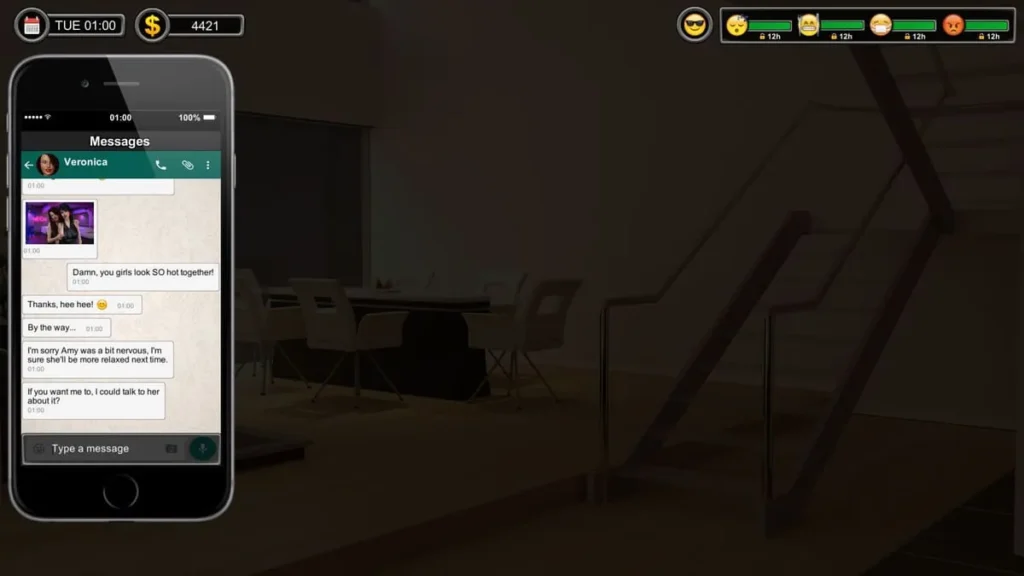







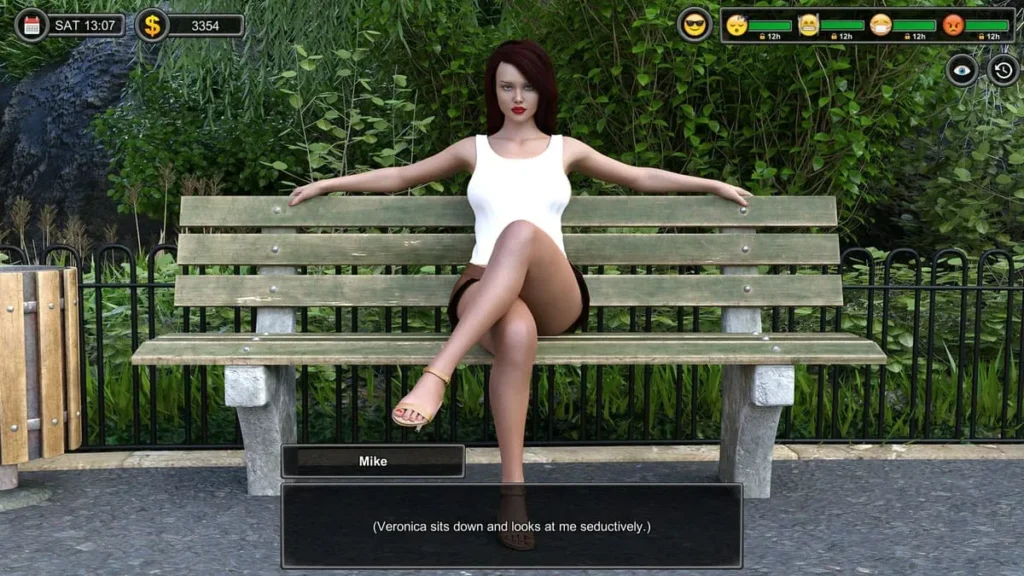
Man of the House review
Master every storyline, achievement, and character progression in this interactive narrative experience
Man of the House is a complex narrative-driven game that challenges players to navigate intricate relationship dynamics, manage character progression systems, and unlock multiple storylines through strategic decision-making. Whether you’re a newcomer looking to understand the basics or an experienced player aiming for 100% completion, this comprehensive guide covers everything you need to know about gameplay mechanics, character interactions, achievement systems, and optimal progression strategies. Understanding the game’s relationship mechanics and time management systems is essential for unlocking all content and experiencing the full narrative depth this title offers.
Understanding Core Gameplay Mechanics and Progression Systems
Let’s be real—the first time you boot up Man of the House, it can feel a bit overwhelming. 😅 You’re thrown into a house with a ticking clock, a bunch of characters who seem to be on their own schedules, and this vague sense that every tiny choice matters. I remember my first playthrough; I spent three in-game days just wandering between the kitchen and my bedroom, completely missing key events because I had no clue how the core systems worked. It was a mess! But don’t worry, that’s why we’re here. Mastering this game isn’t about brute force; it’s about understanding its elegant, interlocking gameplay mechanics.
Think of the game as a delicate clockwork. Your daily schedule, the stats you build with each character, and the specific events you trigger are all gears that must turn together. Get one out of sync, and your progress grinds to a halt. This chapter is your toolbox. We’re going to break down the essential Man of the House stat system, demystify the time management walkthrough aspects, and show you how to optimize every single day to unlock the storylines you want. Let’s dive in.
How Time Management and Daily Scheduling Work 🕐
The heartbeat of Man of the House gameplay mechanics is its persistent, in-game clock. This isn’t just a background detail; it’s the single most important tool you have. The game operates on a 24-hour cycle that continues whether you’re actively exploring or fast-forwarding time. Your primary interface with this is the alarm clock in your bedroom and the schedule planner.
Here’s the golden rule: Characters live by the clock. Mom has her morning coffee routine, the sisters have classes and specific hobbies, and everyone has preferred times to be in certain rooms. If you want to interact with someone, you need to be in the right place at the right time. This is the core of daily schedule optimization.
My big “aha!” moment came when I realized the power of the alarm. Early on, I’d just sleep until noon and wonder why I never saw anyone. Bad move! ⏰ Setting your alarm for specific times (like 7:00 AM or 3:00 PM) is how you position yourself to catch characters during their unique windows of availability. For example, trying to catch a certain character for a private chat might only be possible between 2 PM and 4 PM in the living room. If you’re lounging in your bedroom at 3:30 PM, you’ve missed it.
Pro Tip: Don’t just think about when, but also for how long. Some events require you to be in a location for a few consecutive time slots. Planning blocks of time for specific areas is key to a successful time management walkthrough.
To make this visual, here’s a breakdown of typical character locations throughout the day. Use this as your cheat sheet:
| Time Block | Kitchen | Living Room | Hallway / Stairway | Bedroom (Yours) |
|---|---|---|---|---|
| Early Morning (6-8 AM) | Mom (Coffee) | Usually Empty | Random Encounters | Start of Day |
| Late Morning (9-11 AM) | Possible Chores | Sister (Reading) | Transition Zone | Private Time |
| Afternoon (12-4 PM) | Lunch Prep | Main Social Hub | Key Event Triggers | Rarely Occupied |
| Evening (5-9 PM) | Dinner Events | TV Time / Relaxing | Evening Conversations | Planning Next Day |
| Night (10 PM+) | Empty | Sometimes Occupied | Late-Night Secrets | Sleep State Choice |
Remember, this table is a general guide. As character progression advances, their schedules can shift, opening up new opportunities. This dynamic system is what makes exploration so rewarding.
Character Relationship Metrics and Stat Systems 💝
Now, let’s talk about what your careful scheduling is building towards: relationships. Every meaningful interaction in Man of the House feeds into a hidden but crucial character progression system. This isn’t just a simple “like” meter. There are layered stats that govern every aspect of your story.
The two primary metrics you need to understand are Affinity and Arousal. Think of Affinity as the depth of your relationship—it’s trust, friendship, and emotional connection. Arousal, on the other hand, represents physical tension and curiosity. You need both to progress, but they unlock different things. High Affinity with low Arousal might get you heartfelt conversations, while high Arousal with low Affinity might lead to dead ends or negative reactions.
These stats are the gatekeepers for dialogue options, story branches, and special events. You might see a new, flirtier dialogue choice pop up only once a character’s Arousal stat hits a certain threshold. Or, a character might confess a secret to you only when your Affinity is high enough. This dual-stat system adds incredible depth to the Man of the House stat system.
But how do you influence them? Every choice accumulates. Complimenting a character’s appearance might give a small boost to Arousal. Helping them with a task or choosing supportive dialogue typically boosts Affinity. Even your sleep state (choosing to sleep in boxers or naked) is a persistent choice that the game remembers! 🛏️ Early in the game, sleeping naked might lead to a surprised comment if someone walks in. Later, with higher stats, that same scenario could trigger a completely different, more intimate event. The game’s memory is impeccable—your choices build a permanent history.
Your character also has a core stat: Submission. This isn’t about the other characters submitting to you, but rather your influence and assertiveness within the household. Making bold choices, initiating conversations, and successfully navigating certain events will increase this. A higher Submission stat can open up dominant dialogue paths and allow you to steer interactions more directly.
To help you get started on the right foot, here’s a practical checklist for your early-game objectives. Focus on these foundations:
- Establish a Routine: For the first few days, use your alarm to wake up early (7 AM). Observe character patterns in the kitchen and living room.
- Build Base Affinity: With each character, focus on friendly, helpful interactions. Do offered chores, ask about their day, and be polite.
- Unlock Initial Arousal: Start with mild compliments or noticing new appearances. The “Check Out” option, when it appears, is a classic early-game tool.
- Experiment with Sleep States: Choose either boxers or naked and stick with it for a few days to see the initial reactions it generates.
- Increase Your Submission: Don’t shy away from events. If you have the chance to take the lead in a conversation or situation, do so.
- Document Events: Keep a mental or actual note of what happens at specific times and locations. This is your raw data for mastering event triggering mechanics.
Location Navigation and Event Triggering 🗺️
So you’ve managed your time and built some stats. Now, how do you turn that into actual story progression? Through the brilliant event triggering mechanics. Scenes and story beats in Man of the House are almost always tied to specific locations under specific conditions.
The house is your stage, and every room is a potential set for a scene. Navigation is simple: click on the arrows or doorways to move between the bedroom, hallway, stairway, living room, and kitchen. The magic happens when the game’s conditions are met. An “event” can be anything from a casual conversation to a major plot milestone. The trigger conditions are a recipe: Location + Time + Character Stats + Your Stats + Previous Choices.
Let me give you a personal case study. Early on, I heard about a potential event with a character in the hallway after dinner. I had the time (8 PM) and location (Hallway) right, but nothing happened. I reloaded the day, made sure to have a positive interaction with her at lunch (boosting Affinity), and wore her down with a few careful compliments earlier in the week (raising Arousal). That evening, when I went to the hallway, the event triggered perfectly. It was a lesson in how the game’s systems talk to each other.
This is the essence of a relationship stats guide in action. You’re not just raising numbers; you’re carefully assembling the key to unlock specific doors. Some events are one-time-only. Others are repeatable but may change based on your stats. For example, helping a character with groceries might always be available on Tuesday afternoons, but the conversation that follows will be wildly different if your Affinity is 10% versus 75%.
Personal Insight: Don’t try to rush everything in one playthrough. The game is designed for multiple runs. Use your first play as a scout mission. Explore freely, make different saves, and see what happens when you focus on different characters or make riskier choices. The continuity across playthroughs is less about story reset and more about your own knowledge as a player.
To optimize your exploration:
1. Be Methodical: If you’re looking for new content, pick a location and visit it at different times of day across different days.
2. Save Often: Before trying a new time slot or a bold dialogue choice, save your game. This lets you test triggers without consequence.
3. Watch for Visual Cues: Sometimes, a slightly different camera angle or a barely noticeable object in a room can hint that an event is available.
4. Talk to Everyone: Even simple greetings can sometimes shift a character’s schedule or mood slightly, cascading into new opportunities later.
Mastering these Man of the House gameplay mechanics—the relentless clock, the layered stat sheets, and the location-based triggers—transforms the experience from one of confusion to one of total control. You stop being a passive visitor in the house and start being the architect of your own story. It’s a deeply satisfying character progression system that rewards patience, observation, and smart planning. Now, with these fundamentals in hand, you’re ready to stop guessing and start truly playing.
Man of the House offers a deep, choice-driven experience that rewards careful planning and strategic decision-making. By mastering the time management system, understanding character relationship mechanics, and learning optimal progression paths, you’ll unlock the full narrative potential this game provides. Whether pursuing specific character storylines or aiming for complete achievement collection, the strategies outlined in this guide will help you navigate every aspect of gameplay with confidence. Take your time exploring different choices, experiment with various scheduling approaches, and enjoy discovering the multiple narrative branches this interactive experience has to offer.