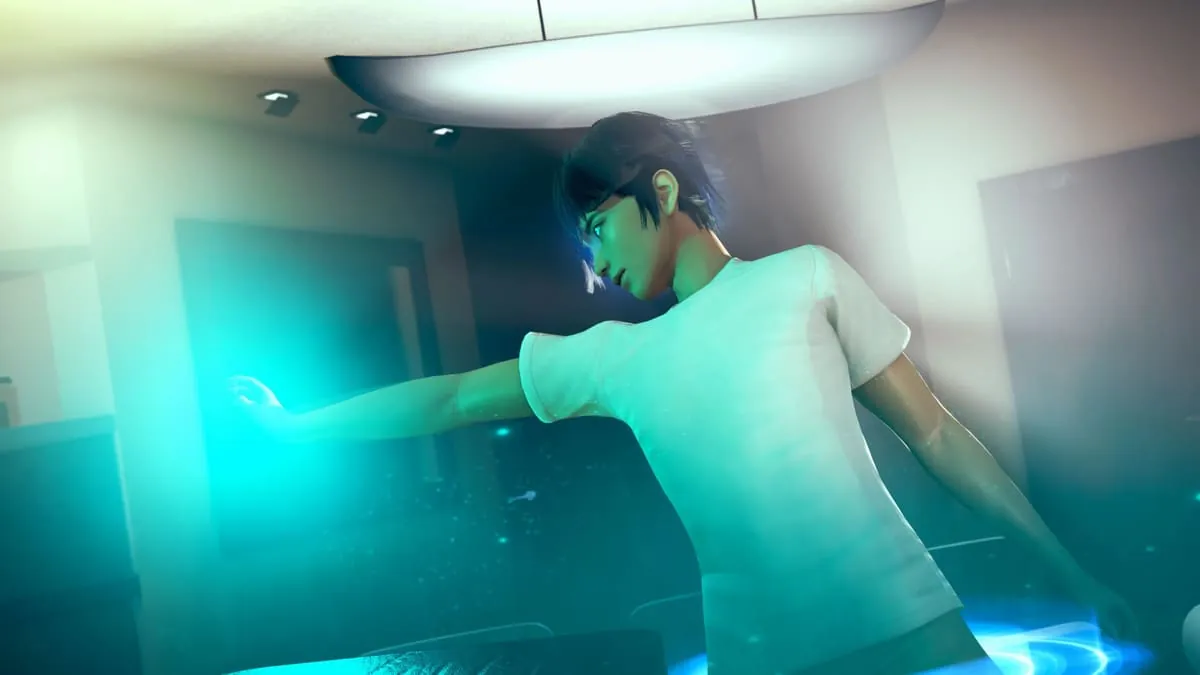
How to Fix the Future
Play How to Fix the Future
How to Fix the Future Screenshots

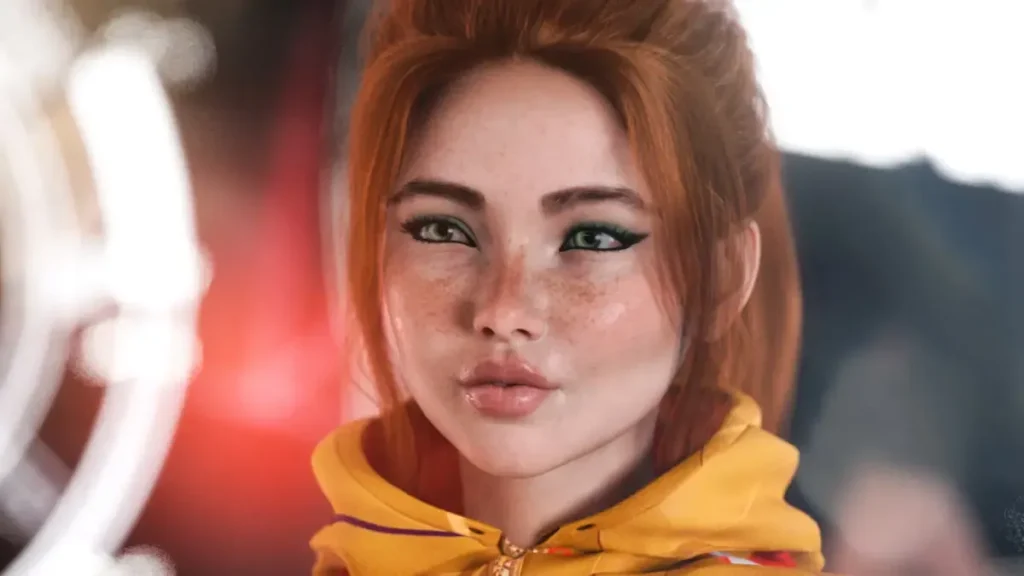
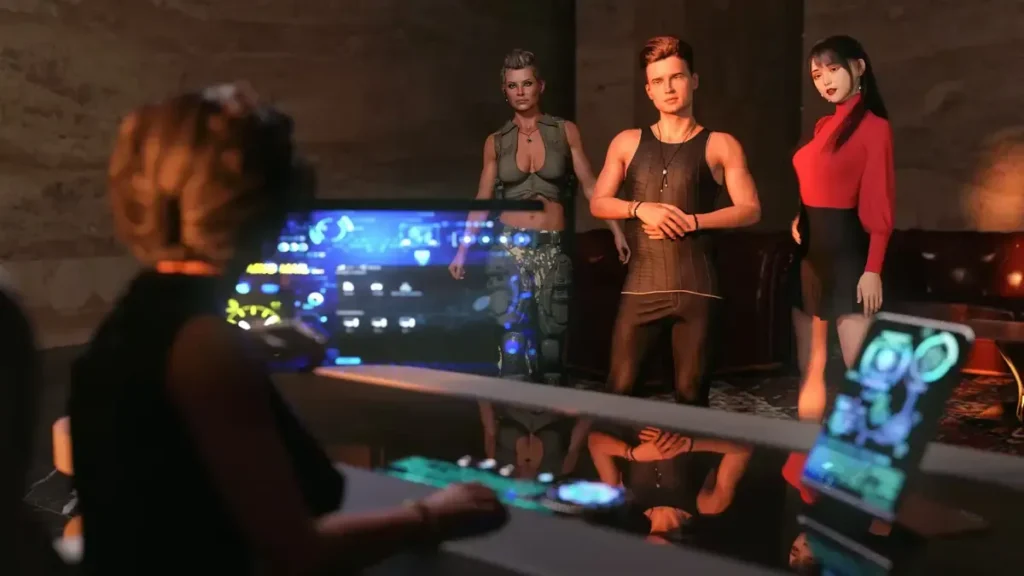
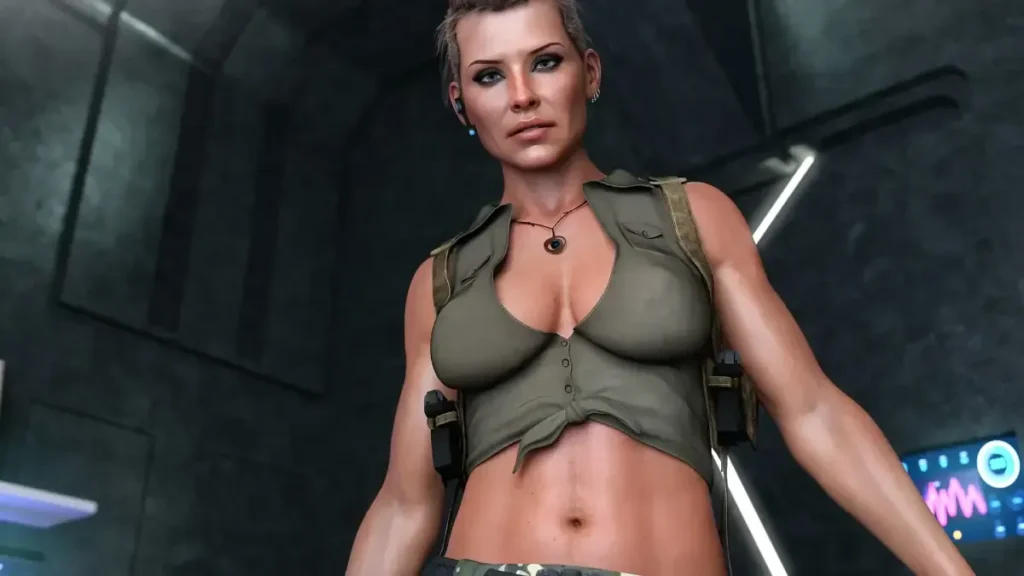






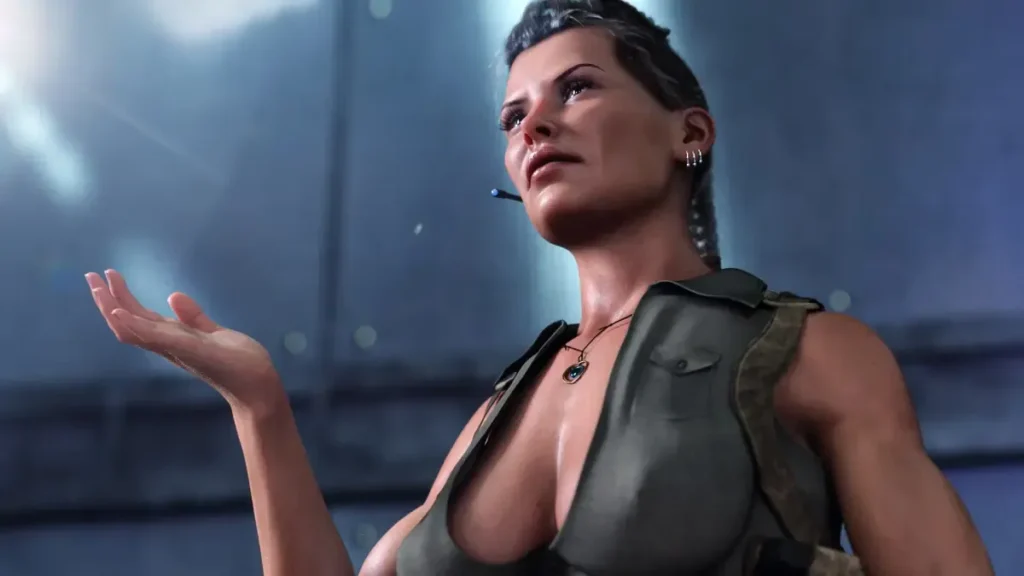





How to Fix the Future review
Master the sci-fi adventure with branching narratives, character relationships, and timeline manipulation mechanics
How to Fix the Future stands out as a sophisticated 3DCG sci-fi visual novel that blends interactive storytelling with meaningful player choices. Developed by mr.moonmi, this narrative-driven adventure puts you in the shoes of a protagonist living a double life—juggling mundane daily routines while navigating covert missions that reshape timelines. The game has garnered significant attention for its incredible graphics, dynamic character relationships, and branching narratives where every decision ripples across the story. Whether you’re exploring mysterious islands, uncovering hidden secrets, or manipulating timelines to alter future outcomes, How to Fix the Future delivers an immersive experience that rewards exploration and strategic decision-making. This comprehensive guide walks you through everything you need to know about mastering this captivating adventure.
Understanding How to Fix the Future: Game Overview & Core Mechanics
So, you’ve downloaded How to Fix the Future and you’re staring at the screen, wondering what you’ve just gotten yourself into. 😅 Is it a dating sim? A time-travel puzzle? A sci-fi thriller? The answer, wonderfully, is all of the above—and it’s one of the most refreshingly complex narrative experiences I’ve played in years. Forget passive stories; here, you don’t just watch events unfold, you actively break and reshape them. This isn’t just another visual novel; it’s a living, breathing narrative machine where every click has weight.
Developed by mr.moonmi, How to Fix the Future is a 3DCG sci-fi visual novel that masterfully blends interactive storytelling with mature themes and a gripping premise. You live a double life: by day, you’re an ordinary person navigating work and social chaos; by night, you’re a field agent or tech vigilante tasked with “fixing” a broken timeline. The genius lies in how these two lives violently and beautifully collide. Your choices at the coffee shop can directly sabotage—or save—a mission from three decades in the past. It’s a stunningly ambitious interactive storytelling game that demands your attention and rewards your curiosity.
What Is How to Fix the Future and Why It Stands Out
Let’s cut to the chase: what makes this 3DCG sci-fi visual novel so special? In a sea of linear stories, How to Fix the Future throws out the rulebook. You are the catalyst. The core premise is that time is malleable, but not in a simple “go back and redo” way. You exist across eras, planting subtle “fixes”—a misplaced file, a whispered warning, a sabotaged device—that ripple forward, altering reality itself. This creates a branching narratives game of unparalleled depth, where cause and effect aren’t just plot points; they are the core gameplay loop.
I remember my first major “fix.” Early on, I had the option to be snarky to a corporate executive during a day-job meeting. Thinking it was just flavor text, I chose the sarcastic option. Fast forward to a late-night hacking mission, and guess who was the CEO of the corporation I was trying to infiltrate? That same executive, now hardened and far more secure because my past rudeness made him paranoid. A tiny, seemingly inconsequential social choice had rewritten his entire character arc and created a massive new obstacle. My jaw dropped. That moment sold me on the game’s vision. This level of narrative consequence is what sets its How to Fix the Future gameplay apart.
The game is currently in Version 0.4, and even in this evolving state, the amount of polished, reactive content is staggering. It’s a character relationship system powerhouse wrapped in a time-bending mystery. Every character feels alive, with their own memories, moods, and hidden agendas. They don’t just forget your actions; they learn, adapt, and hold grudges. This creates a world that feels genuinely responsive, making your role as the architect of the future incredibly immersive and personally impactful.
Core Gameplay Mechanics: Timeline Sculpting and Relationship Webs
The heart of How to Fix the Future gameplay beats on two symbiotic systems: Timeline Sculpting and Relationship Webs. Understanding these is key to mastering this interactive storytelling game.
Timeline Sculpting: More Than Just Time Travel 🕰️⚙️
Don’t think of this as hopping into a DeLorean. The game’s timeline manipulation mechanics are more like gardening across centuries. You shift between key eras—perhaps the gritty tech boom of the 2040s and the corporate dystopia of the 2070s. Your goal isn’t to change one big event, but to plant dozens of small “seeds”: a corrupted data log here, a forged alliance there. You then jump forward to see how these seeds have grown, often in shocking and unintended ways.
The interface for this is brilliantly intuitive. You have a “Fix” menu that acts as your temporal toolkit. Selecting a fix in one era creates a tangible, often delayed, effect in another. It’s less about instant gratification and more about strategic foresight. You’re not playing a level; you’re engineering a domino effect. This makes every play session feel like you’re conducting a grand, chaotic orchestra where you wrote the music several acts ago.
Relationship Webs: Where Every Interaction is Remembered 💞🔗
If the timeline is the stage, the characters are the unpredictable actors. This is where the game’s character relationship system shines with ruthless brilliance. Every NPC has a dynamic “Mood” meter and a permanent “Memory” log. That off-hand joke you made? Logged. The secret you failed to keep? Remembered. The favor you did or didn’t return? It’s building a dossier on you.
This system turns simple dialogue choices into high-stakes strategy. A character in a good mood might overlook a minor transgression or offer crucial help. A character in a bad mood, fueled by a string of your past decisions, might become an outright antagonist, closing off entire story branches. Their “Hidden Agenda” trait means their reactions are never just about the immediate conversation; they’re playing a long game, and your actions feed directly into their goals. It creates a social landscape that is as complex and treacherous as any time-travel puzzle.
Story Progression and Character Development Systems
The magic of How to Fix the Future is how its mechanics fuse to create a living story. Story progression isn’t about unlocking chapters; it’s about uncovering the consequences of the world you’ve built through your fixes and relationships.
The First 5 Hours: Laying the Dynamite 🧨
Your initial playtime is a masterclass in subtle setup. You’ll be introduced to your dual lives, meet a core cast of characters, and be presented with what seem like minor choices. This is the game laying the fuse. You’ll engage in competitive office minigames, tense hacking training sessions, and awkward-but-charming neighborly encounters. Each one feels self-contained, but you’re actually defining the foundational relationships and planting the initial fixes that will define your mid-to-late game.
The early game is a trap of comfort. It makes you think you’re just socializing and doing small tasks. You don’t realize you’re already writing the climax.
Branching Narratives and the Snowball Effect 🌨️➡️🏔️
This is where the branching narratives game philosophy truly ascends. There are no “Game Over” screens for bad choices—only different, often harder, paths forward. A failed mission doesn’t reset; it becomes a new story beat with its own challenges and opportunities. That mission you sabotaged with a poor social choice? It might lead you to a desperate alliance with a former enemy, opening a narrative branch you never knew existed.
Let’s look at a real example from my playthrough. I was trying to gain the trust of a key love interest, a fellow agent, to access a secure facility. In a previous era, I had chosen a series of sarcastic, “cool” responses to her earnest attempts at connection. I thought I was being charmingly aloof. When the critical moment arrived to ask for her keycard, my dialogue option was grayed out. Instead, the available choice was: “She looks at you coldly. ‘You’ve never taken this, or me, seriously. Figure it out yourself.’” My earlier character-building had silently built a wall of resentment, sabotaging the entire mission route. I had to spend the next two hours of gameplay finding a much more dangerous, technical workaround. The cause-and-effect was seamless, brutal, and utterly brilliant.
Characters as Story Vessels 📖
Every character is a character development system in themselves. You don’t learn about the world through info-dumps; you learn it through them. A hacker mentor’s off-hand comment about obsolete code reveals the technological dark age caused by a corporate fix. Your office rival’s paranoia hints at a deeper corporate conspiracy you’ve only glimpsed. Every object you can click on, every piece of environmental storytelling in their apartments or workspaces, adds another piece to the puzzle. You develop relationships not just to romance or befriend, but to investigate and understand the fractured timeline you’re trying to heal.
To give you a practical sense of how these systems interweave from the start, here’s a breakdown of key early-game dynamics:
| NPC Role | Primary Interaction Type | Early Game Impact & System Showcase |
|---|---|---|
| The Office Rival | Competitive Minigames & Social Maneuvering | Winning or losing these contests directly affects your corporate standing and access to resources. Their “Mood” shifts based on your wins/losses and public humiliations, determining whether they become a vindictive obstacle or a grudging source of information later. |
| The Hacker Mentor | Training Sessions & Moral Choices | How you perform in tutorials and the ethical choices you make during practice runs (e.g., steal data or leave it) shapes your skill set and locks in your mentor’s perception of you. This defines your available “Fix” types and their effectiveness in future eras. |
| The Neighbor | Shared Experiences & Vulnerability | These seemingly mundane interactions (helping with groceries, sharing a meal) build a “Memory” log of kindness or neglect. This relationship often becomes an emotional anchor and a unexpected source of crucial, non-technical help during personal crises that affect your agent focus. |
In conclusion, How to Fix the Future is not a game you simply play; it’s a narrative engine you learn to operate. Its How to Fix the Future features—from the profound timeline manipulation mechanics to the exquisitely detailed character relationship system—combine to create a 3DCG sci-fi visual novel that respects your intelligence and immortalizes your choices. You will make mistakes. You will cause unintended chaos. You will see relationships fracture based on a forgotten slight. But in doing so, you will experience a branching narratives game where you are truly, meaningfully, the author. This is the pinnacle of interactive storytelling game design, a complex and captivating adventure where fixing the future is just the beginning; understanding the cost of your actions is the real journey.
How to Fix the Future represents a sophisticated blend of compelling narrative design, meaningful player agency, and stunning visual presentation. The game’s strength lies in its intricate systems—from timeline manipulation that lets you reshape entire societies to relationship webs where every interaction matters and characters remember your choices. Whether you’re drawn to the branching narratives, the challenge of unlocking hidden content, or simply exploring the beautifully rendered sci-fi world, the game rewards thoughtful play and experimentation. The dual-life premise creates genuine tension between mundane responsibilities and covert missions, while the cause-and-effect storytelling ensures that no choice feels inconsequential. With its exceptional graphics, dynamic character systems, and evolving narrative, How to Fix the Future stands out as a must-play for fans of interactive storytelling. Start your journey today and discover how your decisions can reshape the future itself.