Elvensang
Play Elvensang
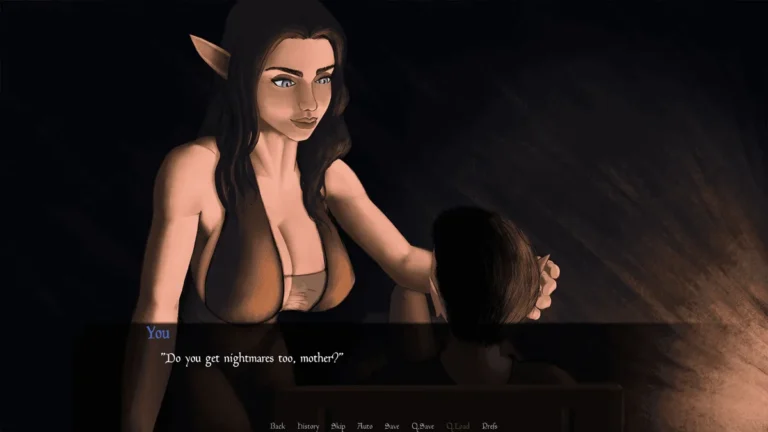
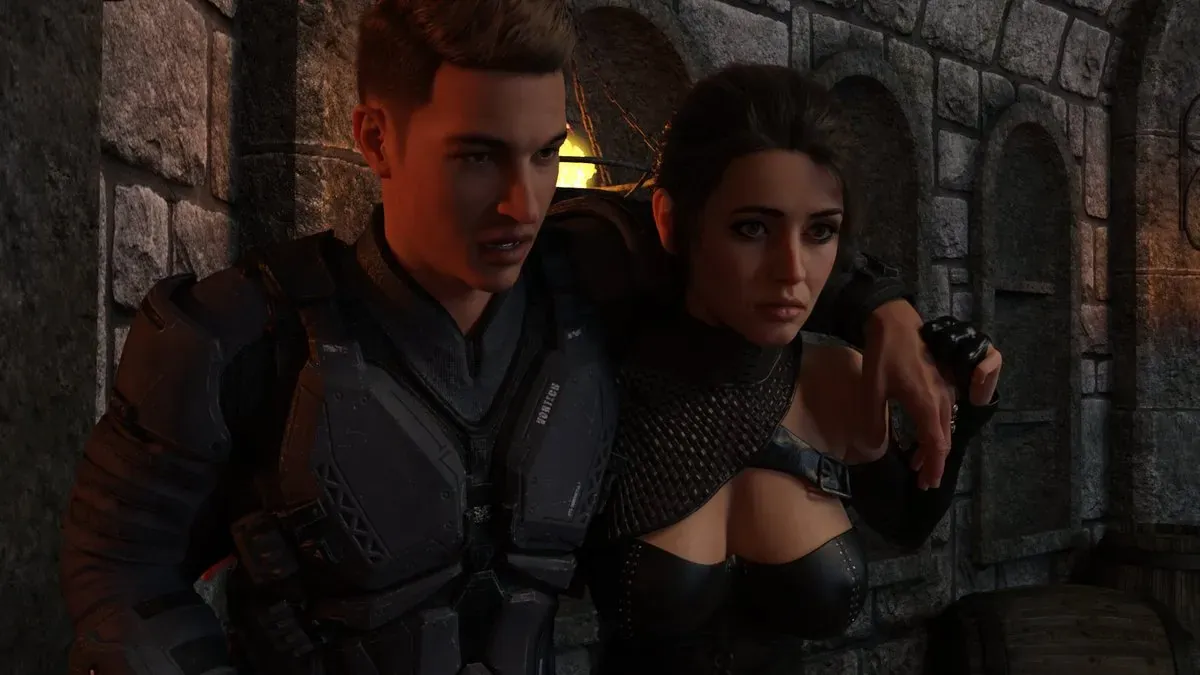
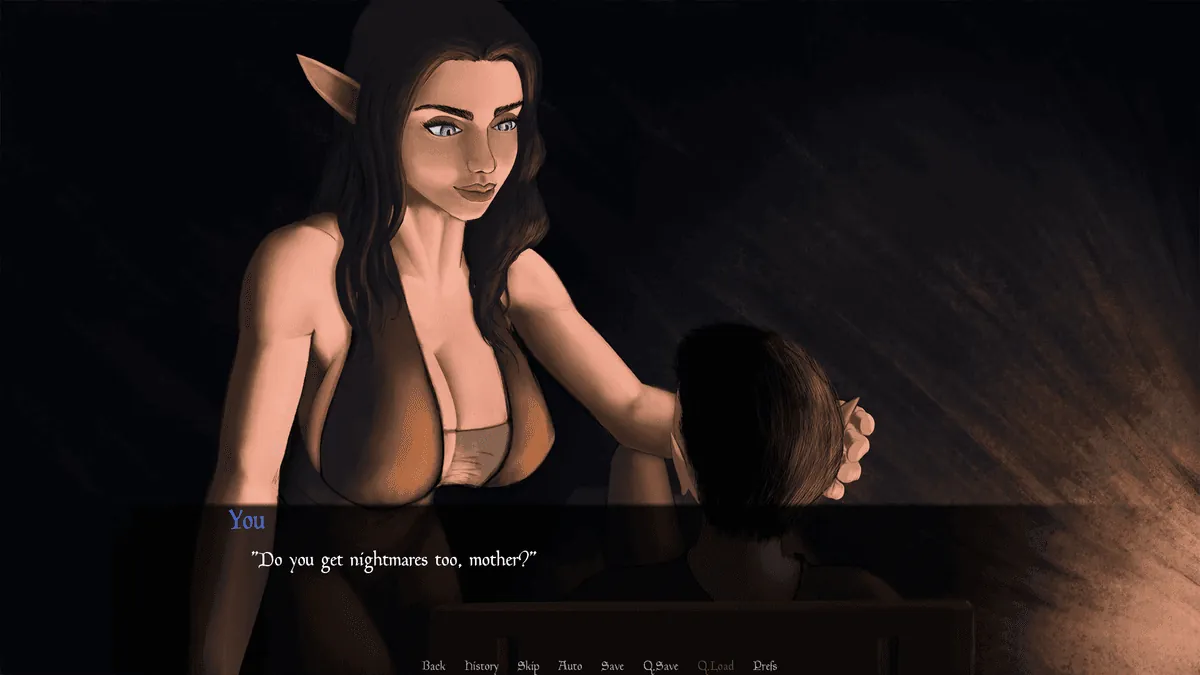
Elvensang Screenshots
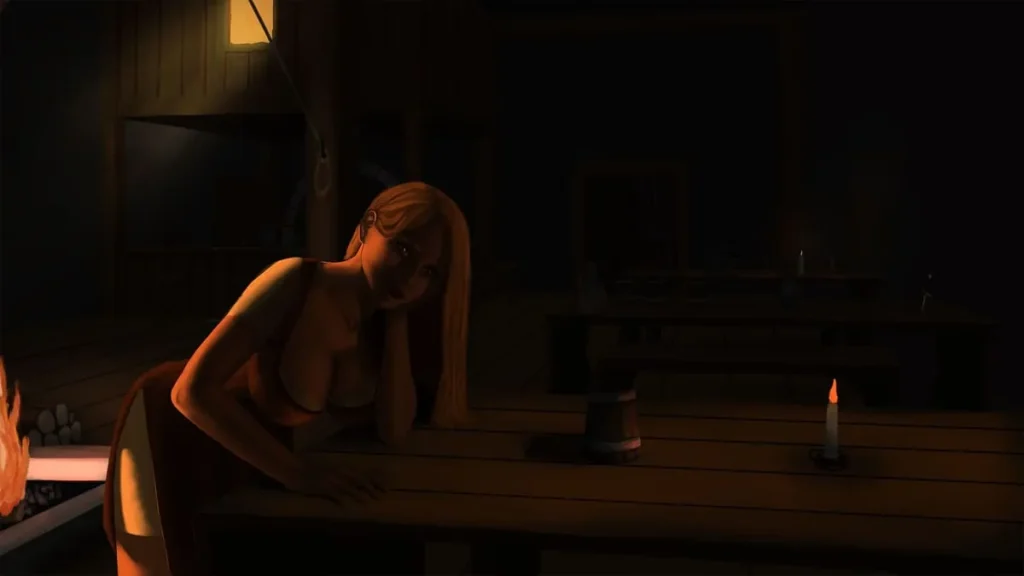
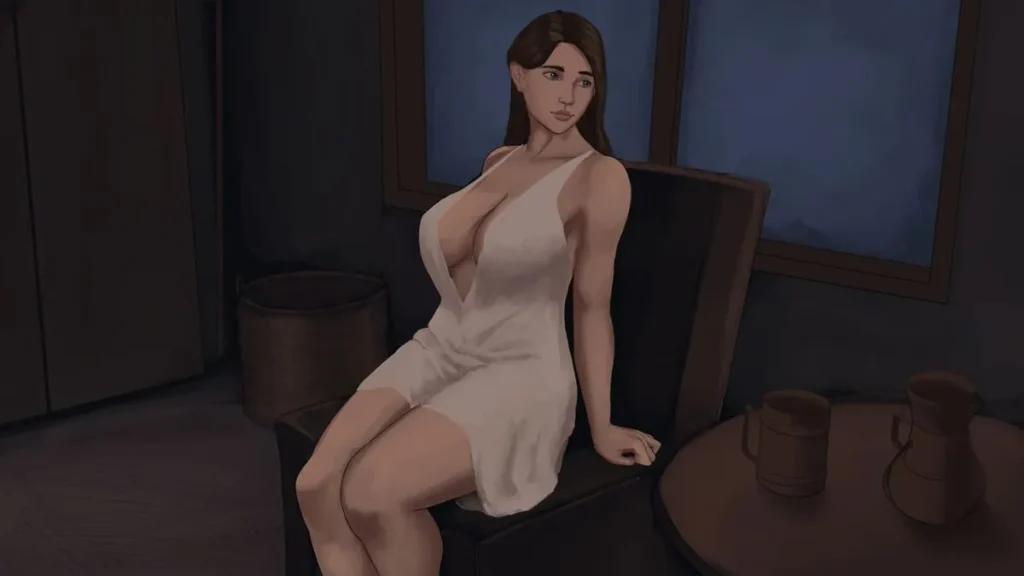

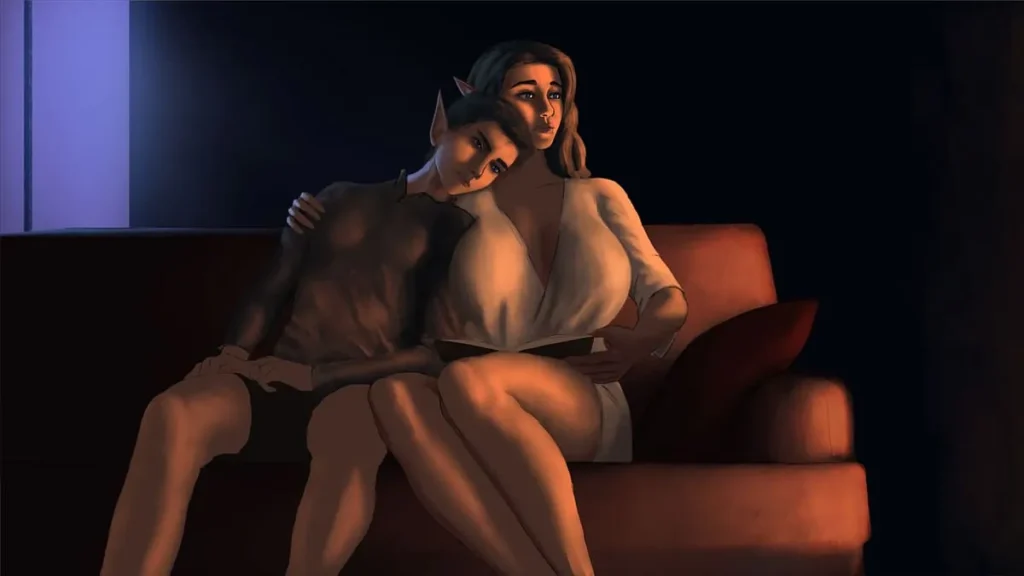
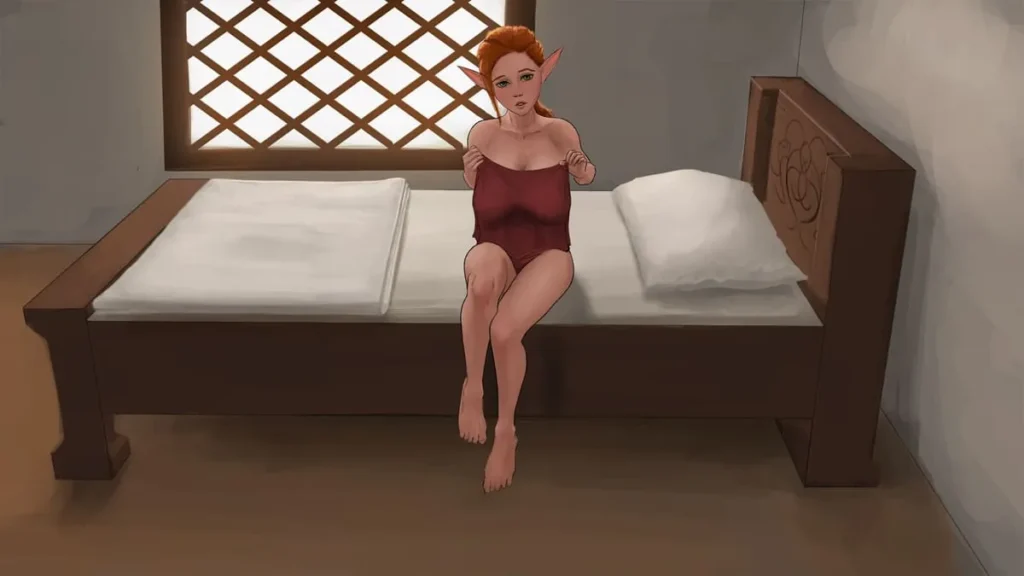

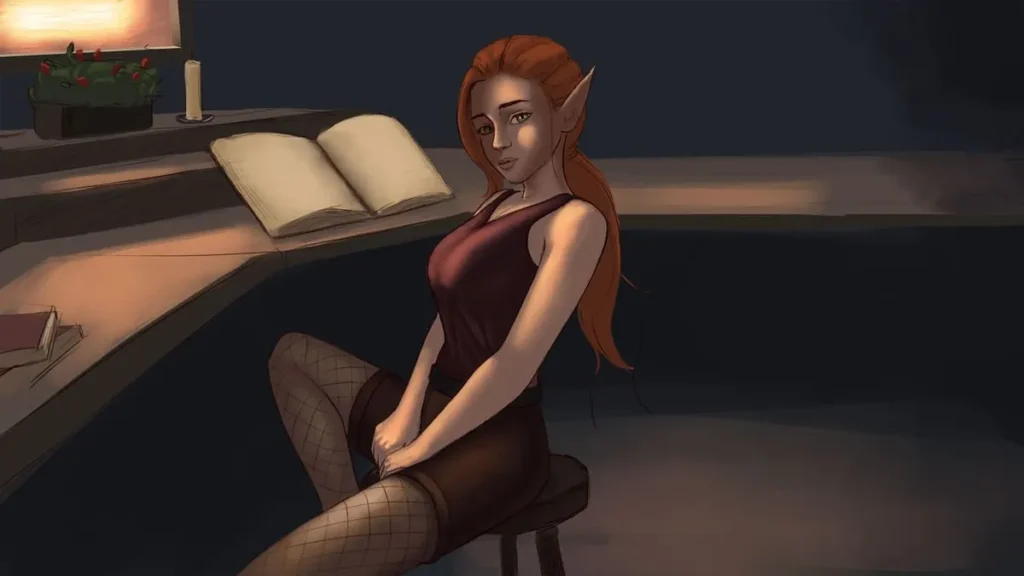
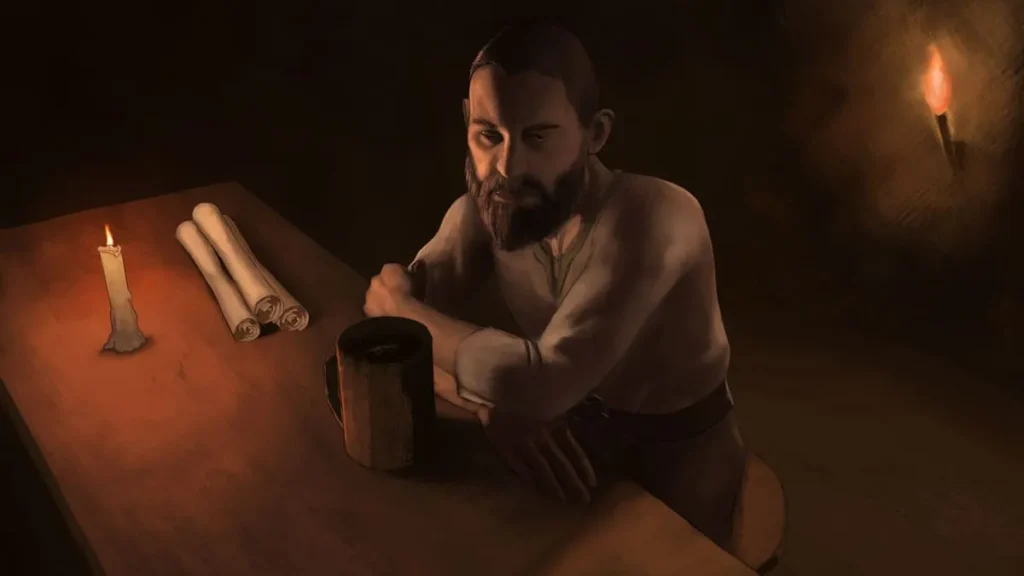
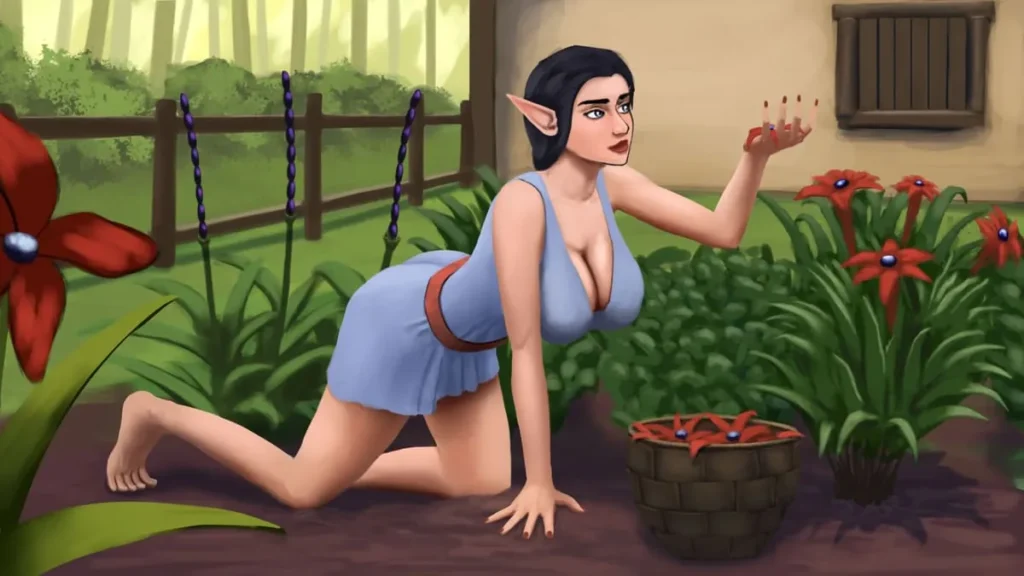
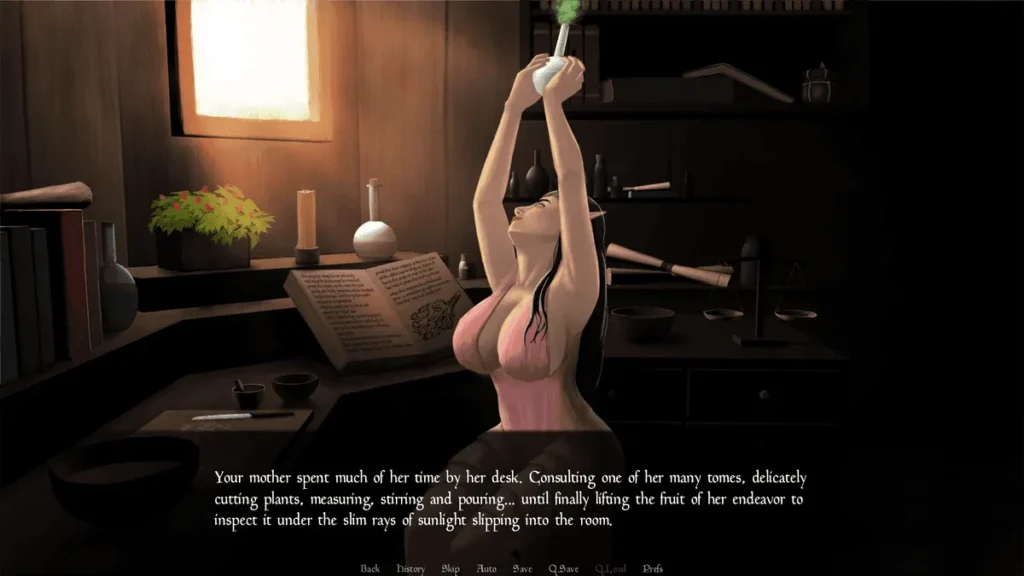
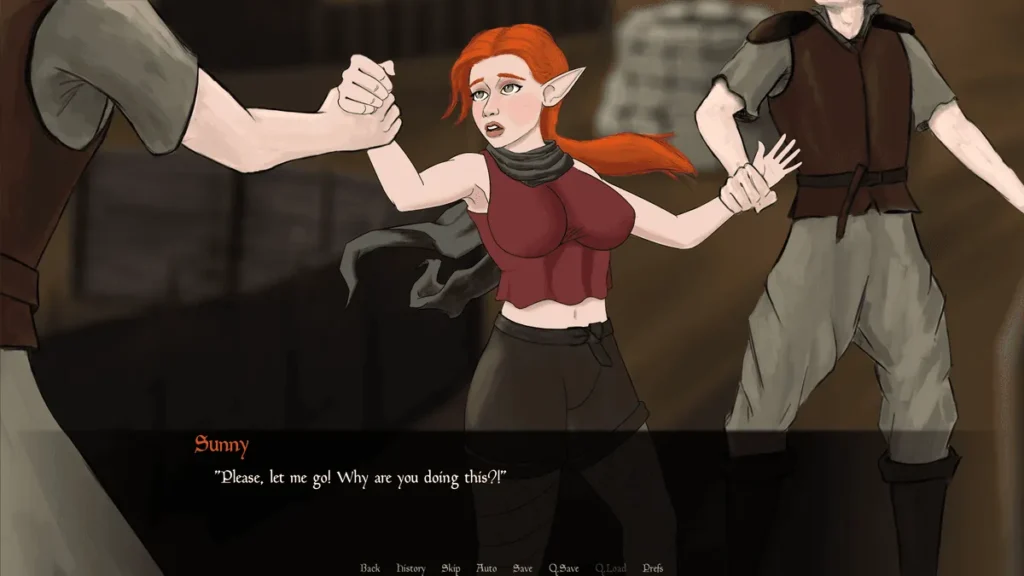
Elvensang review
An in-depth, player-first walkthrough, impressions, and tips for Elvensang
Elvensang is a narrative-driven adult visual novel where your choices shape the life of a young elf surviving in a hostile human world, and this guide dives into its mechanics, story branches, and practical tips to get the most from the experience. In the opening scenes you meet core characters and face early moral choices that influence later outcomes; understanding these moments early helps you steer toward the endings you want. I’ll share personal impressions from multiple playthroughs, concrete choice recommendations, and hands-on advice for exploring the game’s content and optional scenes.
Gameplay and Core Mechanics in Elvensang
The heart of Elvensang isn’t found in its stunning visuals or enchanting soundtrack (though those are incredible). It’s in the quiet, weighty moments where you click a dialogue option. Unlike many games, your decisions here are not just cosmetic; they are the literal DNA of your story. This guide will pull back the curtain on the Elvensang narrative machinery, showing you how to play Elvensang with intent, master its progression, and, most importantly, craft the journey you truly want. Think of every choice as a stone thrown into a pond—the ripples will touch every shore, from a character’s smile in Episode 2 to the fate of entire kingdoms in your final Elvensang endings. 🧙♂️✨
How choices shape the narrative in Elvensang
From the moment you name your character, you are weaving a unique tapestry. The Elvensang narrative is driven by a hidden web of variables: reputation with factions, trust levels with companions, and personal moral alignments. These aren’t just numbers on a screen; they are living, breathing aspects of the world that react to you.
A seemingly minor act of kindness in the first chapter, like sparing a desperate thief, might be remembered by a faction that values mercy, unlocking a peaceful negotiation option three episodes later. Conversely, a harsh, pragmatic decision to secure resources for your village could mark you as a “realist,” opening up darker, more efficient paths down the line. This is the essence of Elvensang choices—they are cumulative. The game remembers everything.
I learned this the hard way on my first replay. In my initial run, I played a compassionate diplomat. On my second, I decided to be a shrewd, slightly arrogant leader. In Episode 1, I dismissed the concerns of a minor elf character, Aelar, thinking it would just make me look strong. I didn’t think about it again until Episode 5, during a pivotal council scene. In my first playthrough, Aelar had spoken in my defense. This time, he stood up and publicly condemned my “high-handed arrogance,” citing that very first interaction. It completely changed the tone of the scene and forced me down a much more difficult political path. One throwaway line, six hours earlier, had fundamentally altered my story’s pressure points. That’s the power of the Elvensang narrative design.
To visualize how these early ripples become late-game waves, here’s a breakdown of how specific Elvensang choices can propagate:
| Early Choice (Episode 1-2) | Immediate Effect | Projected Late-Game Impact |
|---|---|---|
| Accepting the mysterious Moon Lily from the forest spirit. | Gain “Spirit-Touched” trait. Unlocks unique dialogue with magical beings. | May allow a peaceful resolution with the Ancient Grove guardian in Episode 6, preventing a major battle. |
| Supporting the Merchant’s Guild in a dispute over the Blacksmith’s Guild. | +10 Reputation with Merchants. -5 Reputation with Artisans. | In Episode 7, the Merchant’s Guild may offer you crucial supplies at a discount, while the Artisans might refuse to craft elite gear for you. |
| Sharing your personal fears with companion Kaelan during a night watch. | Triggers a “Kaelan: Trust +1” relationship flag. Unlocks a personal conversation scene. | This accumulated trust is essential for unlocking his personal quest line and is a prerequisite for a romance or a loyal companion ending. |
| Using forbidden arcane knowledge to quickly solve a puzzle. | Immediate progress, but gain “Corruption +1.” Character’s eyes glow faintly in a cutscene. | High Corruption levels can unlock a powerful but tragic “Fallen Arcanist” ending path, altering final boss dialogue and available options. |
Exploration, progression, and scene unlocking
How to play Elvensang effectively is as much about patience and curiosity as it is about decision-making. The game is structured into distinct Episodes, each acting like a chapter in a book. You cannot jump ahead; a new Episode only unlocks once you complete the previous one and the game has processed all your choice data to build the next segment of your story.
Within each Episode, progression isn’t always linear. While there is a main thread to follow, the world is dotted with optional scenes, hidden interactions, and environmental storytelling. Clicking on that strange glowing tree, examining the old tapestry in the castle hall, or choosing to rest at the inn instead of pushing on—these are all potential Elvensang relationship flags and scene triggers. I cannot stress this enough: explore every location thoroughly before advancing the main plot. Some of the most poignant character moments and critical world-building clues are hidden in these optional corners.
This brings us to the most critical piece of advice in any Elvensang walkthrough: your Elvensang save strategy. Do not rely on a single save file. You must become a save archivist.
Pro Tip: Create a new, named save at the start of every new Episode (e.g., “Start of Ep3 – Before Council”). Then, create quick-saves before any major decision point. This strategy is your lifeline. It allows you to backtrack not because you failed, but because you want to explore a different narrative branch without replaying 10 hours of content. A robust Elvensang save strategy transforms the experience from stressful to liberating, letting you appreciate the craftsmanship of each branching path.
Practical tips: making meaningful choices
So, how do you navigate this beautiful, complex web without a guide? After multiple playthroughs, here’s my actionable advice for making your Elvensang choices truly meaningful.
First, role-play consistently. Decide who your character is at the start. Are they idealistic, cynical, merciful, or pragmatic? Stick to that core persona for your first run. Consistent behavior is the most reliable way to accumulate reputation and trigger specific narrative arcs organically. It makes the resulting Elvensang endings feel earned.
Second, pay attention to character reactions. The game is excellent at giving subtle feedback. If a companion goes quiet or has a pained expression after you speak, you’ve likely impacted your relationship. The dialogue log doesn’t just record words; it sometimes notes “[Kaelan looks away, disappointed].” These are your visible Elvensang relationship flags.
Now, for that case study. I dedicated two full playthroughs to extremes:
-
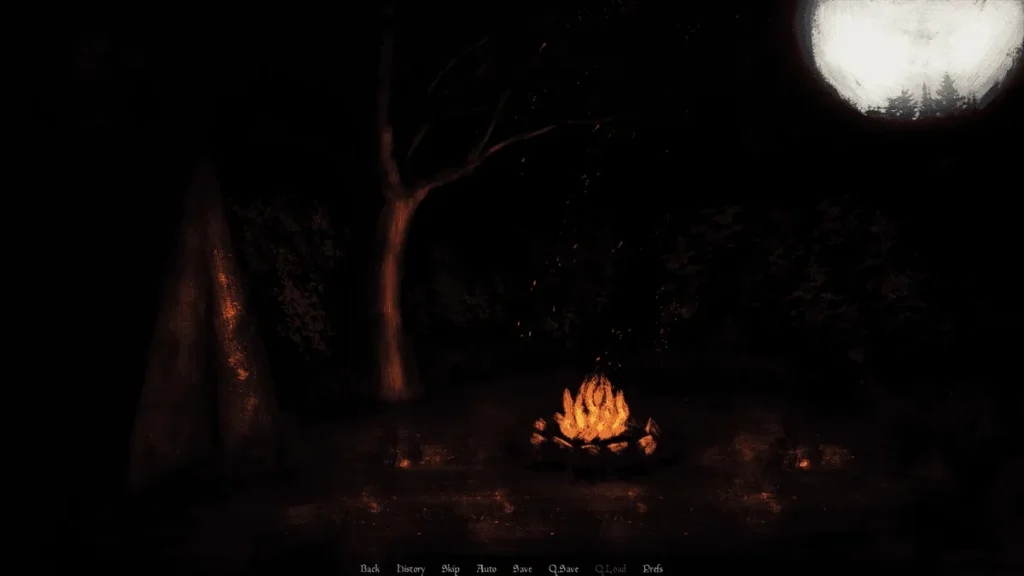
The Heart’s Path (Romance-Focused): My goal was a deep bond with the warrior, Lyra. From our first meeting, I chose options that valued honor, personal connection, and vulnerability. I always supported her in public, volunteered for missions she cared about, and in private moments, chose open and kind dialogue. This required sometimes making sub-optimal strategic choices to align with her values. By mid-game, this unlocked unique campfire scenes and, eventually, her personal quest to reconcile with her past. The ending was intensely personal, focusing on sacrifice for love and a future built together, rather than just the fate of the kingdom.
-
The Shadow’s Path (Darker Power): Here, I sought power and efficiency above all. I embraced morally grey and forbidden magic, made alliances of convenience with dubious factions, and often chose pragmatic, harsh decisions “for the greater good.” I ignored companion sensitivities, which left me with fewer allies but more direct control. This path unlocked scenes full of political manipulation and terrifying magical power. The ending was colder, triumphant in a hollow way, where I saved the realm but ruled it through fear and lost everyone close to me.
The divergence point wasn’t one huge decision. It was a dozen small ones in Episode 1. On the Heart’s Path, I comforted a scared child. On the Shadow’s Path, I coldly told them fear was a weapon. Both choices were valid for the character I was playing, and both sent me on a completely different trajectory for how to play Elvensang.
Finally, don’t fear missing out. Elvensang is designed for replays. Your first playthrough should be yours—authentic and unspoiled. Let yourself be surprised by the consequences. Then, use subsequent runs with your mastered Elvensang save strategy to explore the roads not taken. That’s where you’ll truly appreciate the breathtaking scope of the Elvensang narrative and see just how many breathtaking Elvensang endings are waiting to be discovered. Your story is truly your own to write. 🍂📖
Elvensang rewards curiosity, careful saving, and replay: early moral choices shape later events, character relationships unlock unique scenes, and systematic replay with multiple saves will let you see the game’s full narrative range. Use the practical tips and play strategies above to plan your first few runs—try a romance-focused path and a darker path to compare outcomes—and join active community channels if you need technical help or want to share discoveries. If you enjoyed this guide, bookmark it and come back as you progress through episodes; try the recommended save strategy on your next playthrough and share your results with the community.