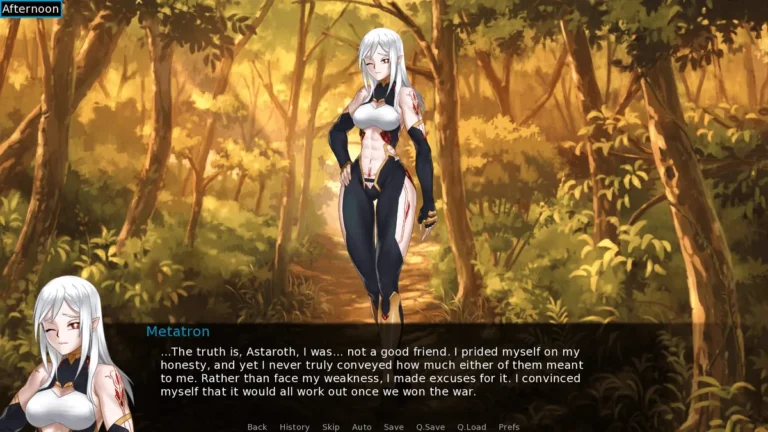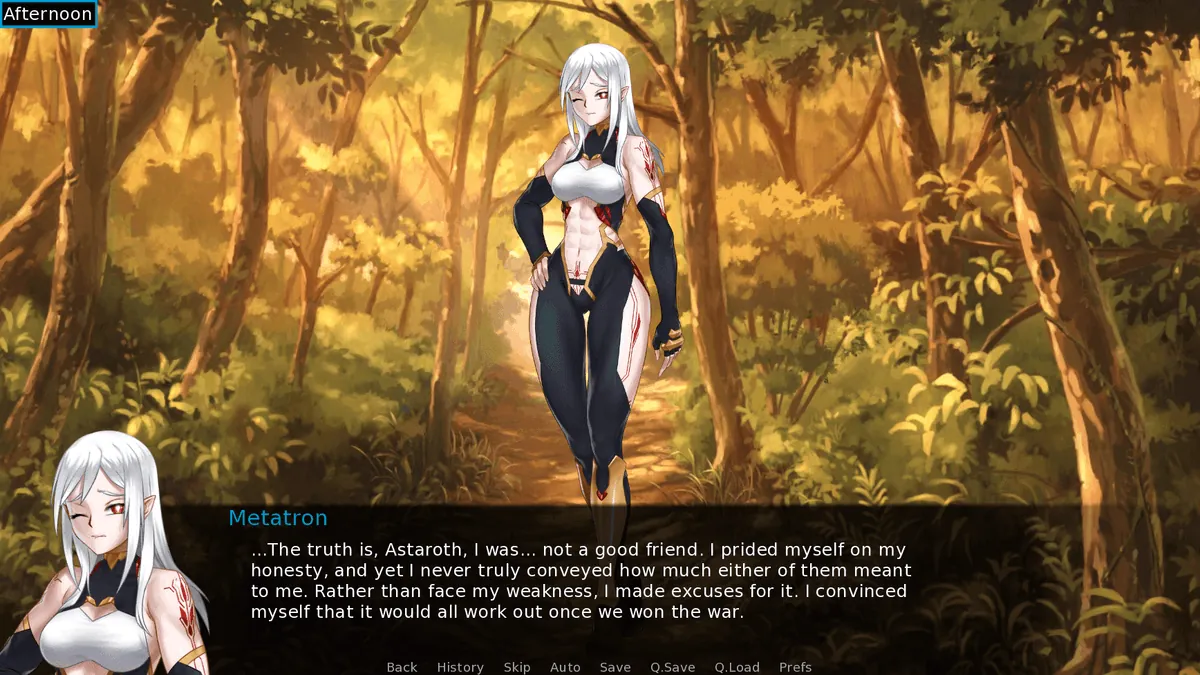
Divine Dawn
Play Divine Dawn
Divine Dawn Screenshots

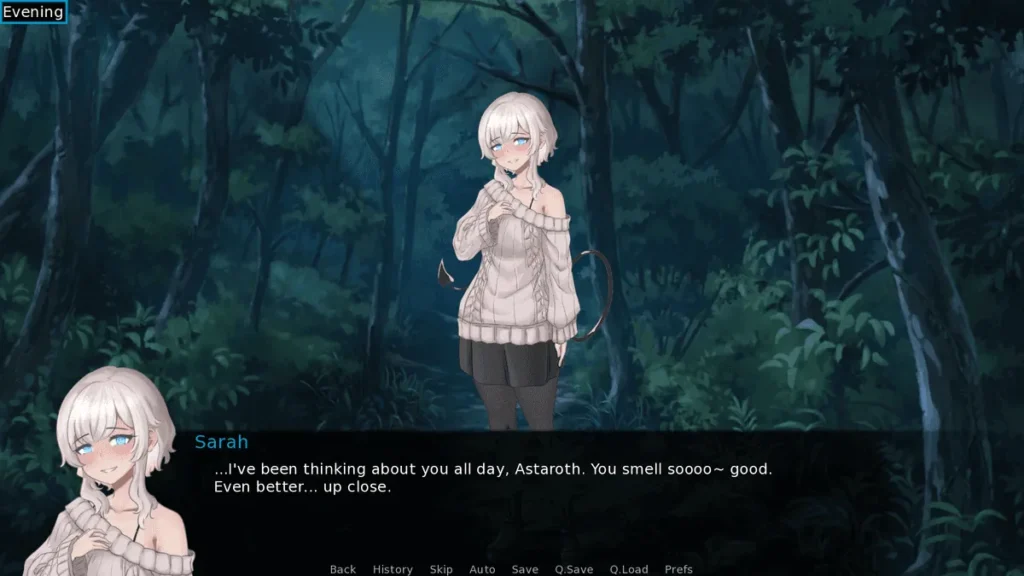
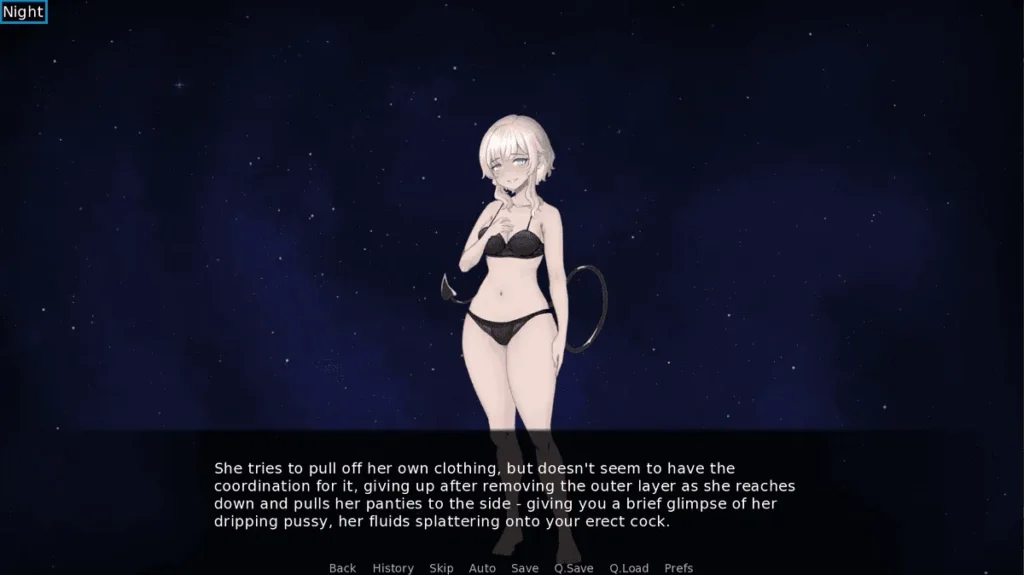
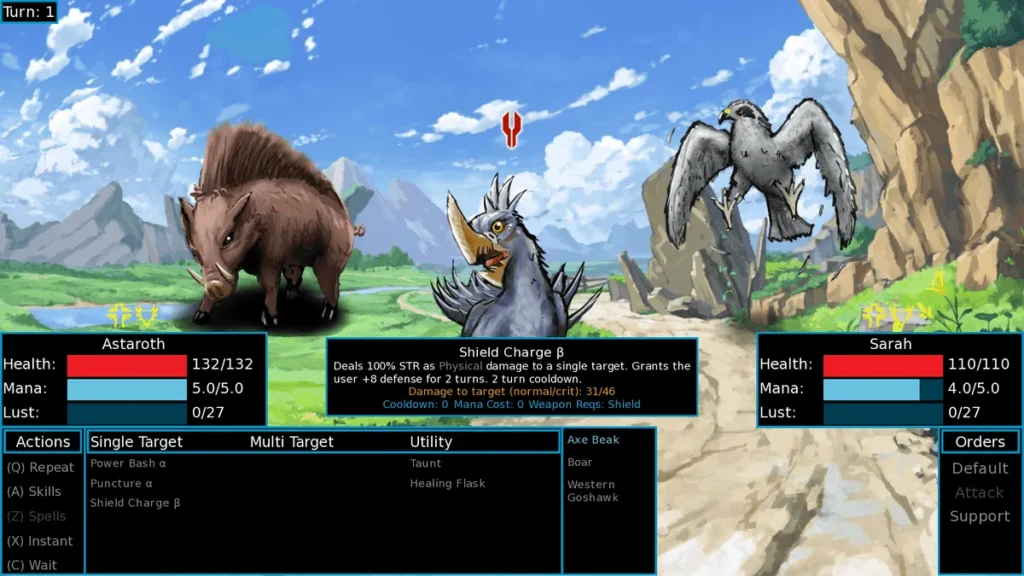
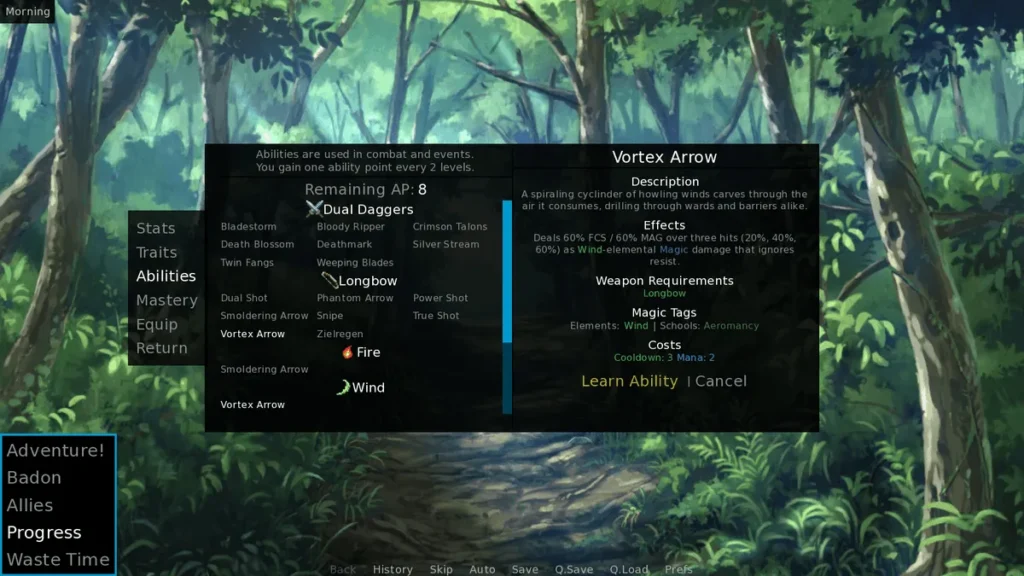



Divine Dawn review
Explore the immersive world of this choice-driven RPG adventure
Divine Dawn stands out as an ambitious role-playing experience that blends narrative depth with engaging mechanics. This choice-driven adventure follows a would-be hero navigating a richly crafted world filled with meaningful decisions, diverse characters, and strategic combat encounters. Unlike many games in its genre, Divine Dawn prioritizes storytelling quality and character development alongside its other elements. Whether you’re interested in understanding the game’s mechanics, exploring its narrative structure, or discovering what makes it resonate with players, this guide covers everything you need to know about this compelling gaming experience.
Understanding Divine Dawn’s Core Gameplay Experience
Ever booted up a massive role-playing game, spent an hour on your character’s face, only to realize your choices in the story are basically an illusion? 🤔 You pick a “good” or “bad” dialogue option, but the plot chugs along the same predetermined track, and your carefully crafted hero feels like a cardboard cutout being pushed through a theme park. That feeling of disconnect, where your identity and your decisions don’t truly matter, is exactly what Divine Dawn shatters.
This isn’t just another fantasy RPG you play; it’s a world you inhabit and shape. The magic of Divine Dawn gameplay mechanics lies in a profound, inseparable marriage between who you are, what you say, and how you fight. Your RPG character customization isn’t a separate menu from the story—it’s the foundation of it. Every stat, skill, and background you choose whispers to the world, altering how characters perceive you, what paths open, and even how conflicts are resolved. It creates an interactive RPG experience that feels less like following a script and more like writing your own epic, one consequential choice at a time. ✨
### What Makes Divine Dawn Different From Other RPGs
Most games give you a role to play. Divine Dawn gives you a pen to write with. The core differentiator is a philosophy of player agency in games that’s woven into every fiber of its design. While many titles promise “meaningful choices,” they often bottleneck you into a few major story forks. Here, agency is a constant, subtle, and powerful undercurrent.
Think of it like this: in my first playthrough, I created Elara, a former scholar with high Intelligence and Persuasion, haunted by a cryptic magical accident in her past. In a tense standoff with a paranoid city guard captain, the game didn’t just give me a generic “[Persuade] Let us pass” option. Because of my chosen background and stats, a unique dialogue thread appeared: “[Scholar’s Logic] Cite the precedent of the Grey Falcon Accord, which guarantees safe passage for academic enquirers.” I chose it. The captain’s eyes widened—not in generic “persuasion success” mode, but with specific recognition. “You… you know of the Accord? My father was a scribe who helped draft it.” The entire scene shifted from hostility to wary respect, opening up new quest lines about the city’s history that were completely absent when I later played as a brutish mercenary.
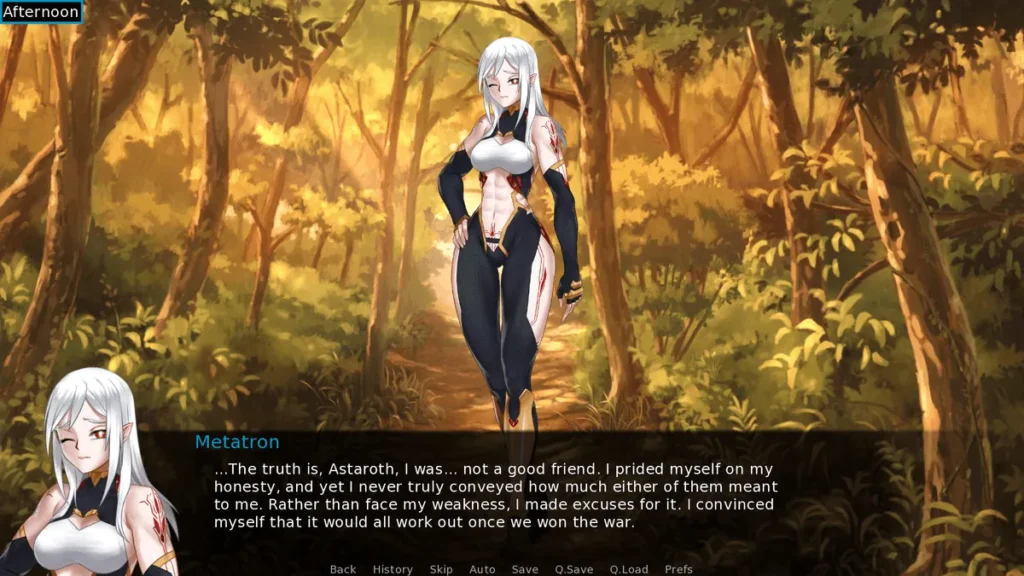
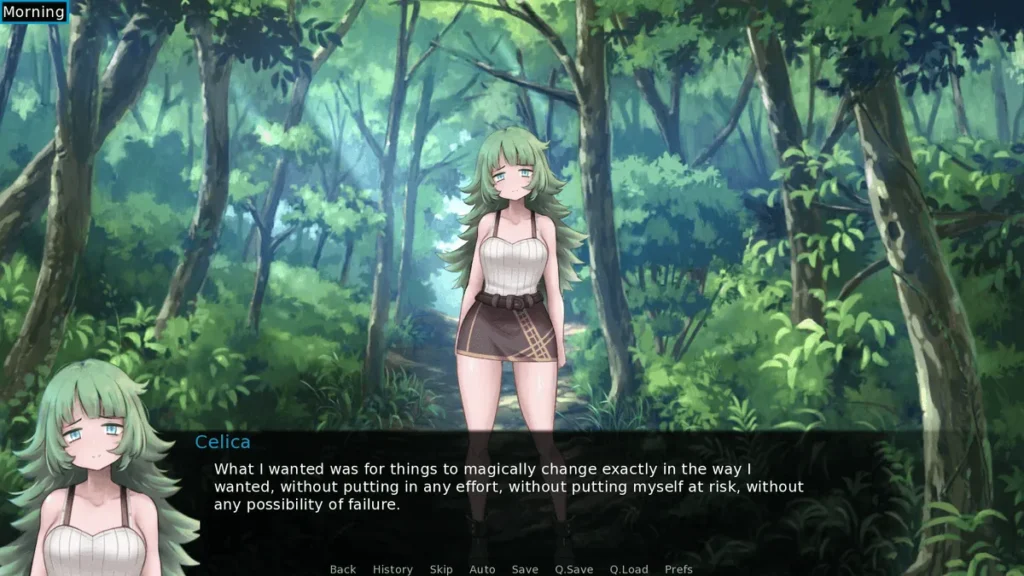
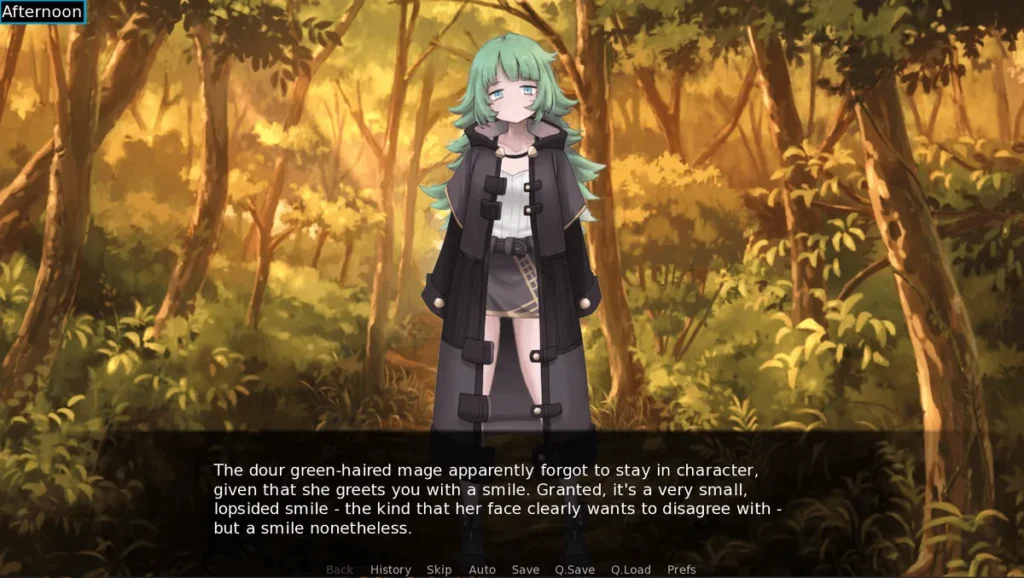
This is the heartbeat of Divine Dawn. Your combat prowess, your social skills, your moral compass, and your personal history are not isolated numbers on a sheet. They are lenses through which the entire world is filtered and to which it reacts. This holistic design creates a choice-driven adventure game where no two journeys feel the same, because the “choices” begin the moment you conceive your character.
To understand this balanced symphony, let’s break down its core pillars:
| Pillar | How It Contributes to the Experience |
|---|---|
| Story 📖 | The narrative isn’t a rail; it’s a web. Divine Dawn story elements are reactive fragments that assemble differently based on your actions, relationships, and discoveries. Major plot points can be reached through diplomacy, subterfuge, or brute force, each path revealing unique facets of the world. |
| Characters 👥 | Every companion and NPC has a memory. They recall your promises, your betrayals, and your style. Help a struggling baker early on, and he might rally the market district to your aid during a later crisis. This deep interconnectivity makes relationships feel earned and consequential. |
| Combat ⚔️ | The turn-based combat system is a direct extension of your role-play. Your dialogue choices can ambush enemies, demoralize them, or even turn them to your side before a fight begins. How you build your character dictates not just your damage, but your strategic role on the battlefield. |
| Customization 🎨 | This is your soul imprinted on the game world. Beyond cosmetics, your chosen skills, traits, and background constantly open (or close) doors, creating a powerfully personalized version of the adventure that truly feels like your own. |
This isn’t a game of isolated modules—it’s an ecosystem. The story feeds the characters, who influence combat, which is shaped by your customization, which circles back to alter the story. It’s a magnificent, cohesive loop that defines the Divine Dawn gameplay mechanics.
### Character Customization and Progression Systems
Forget sliders that only change your cheekbones. In Divine Dawn, RPG character customization is the first and most important choice you make, echoing through every hour of your playthrough. This is where you define the DNA of your experience.
The process begins with selecting a Origin. This isn’t a simple “class,” but a rich background that defines your starting place in the world. Are you a Wasted Noble, skilled in etiquette and politics but distrusted by commoners? A Forgotten Folk from a hidden valley, in tune with nature but ignorant of city laws? Or perhaps a Guild Exile, with a bounty on your head and a network of underworld contacts? Each Origin comes with its own unique starting quest, dialogue options, and how key factions initially view you. My Wasted Noble, for instance, could bypass certain bureaucratic hurdles by name-dropping her family but faced immediate suspicion from rebel groups.
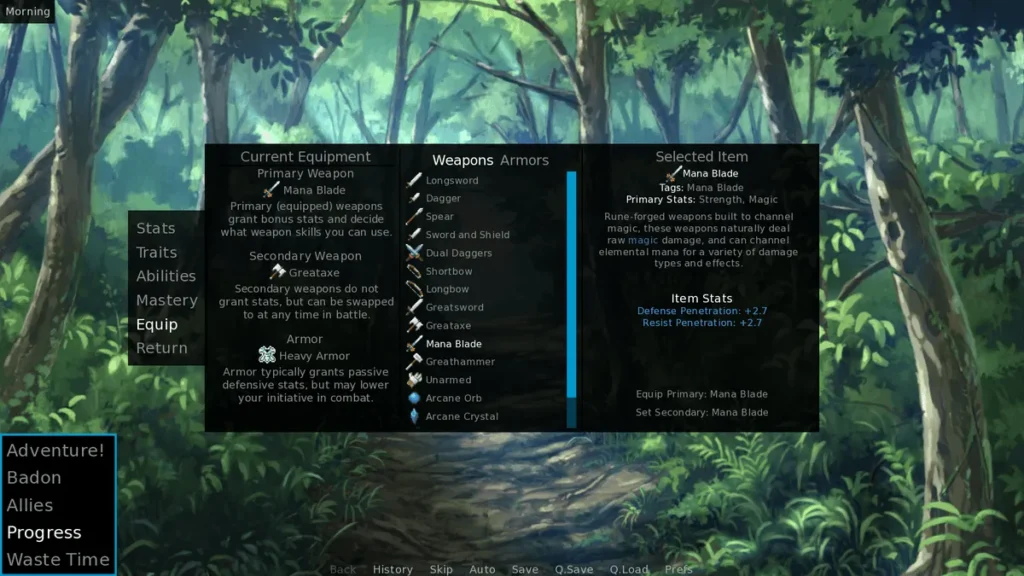
Next, you distribute points across core Attributes like Might, Finesse, Insight, and Resolve. These aren’t just combat numbers. High Insight might let you detect a lie in conversation, notice a hidden lever in the environment, or understand the true meaning of an ancient text. High Resolve could allow you to withstand psychic assaults, intimidate foes without lifting a sword, or persist in exhausting diplomatic negotiations.
Pro Tip: Don’t just min-max for damage! Think about the kind of hero you want to be. A silver-tongued diplomat with high Resolve and Insight will have a radically different game than a stealthy treasure-hunter built on Finesse.
Then come Skills—practical applications of your attributes. Skills like Persuasion, Lore, Stealth, and Crafting are constantly checked in the world. See a strange fungus? Your Nature Lore skill might passively identify it as poisonous or valuable. Trying to rally a dispirited troop? Your Leadership skill will determine their morale bonus in the next fight. The beauty is that you’re never locked out. You can improve these skills through use, training, or finding rare tutors, allowing your character to grow organically based on your playstyle.
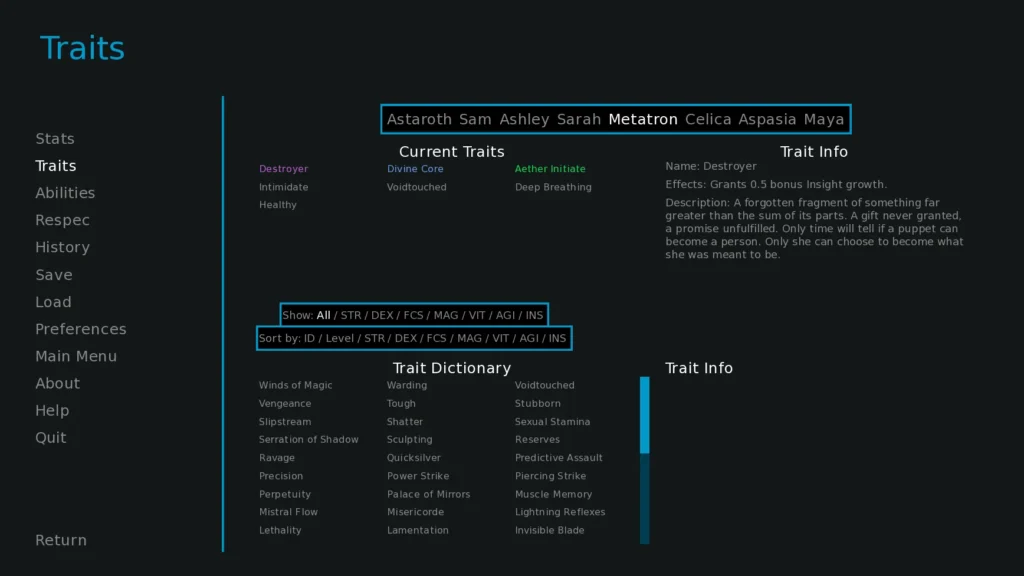
But the true genius is in the Trait system. These are narrative-based perks you earn through play. For example, after successfully negotiating peace between two feuding villages, you might earn the “Peacemaker” trait, which gives you bonus persuasion options with other community leaders. Conversely, if you consistently choose brutal, mercenary solutions, you might gain the “Dreaded” trait, making intimidation easier but shutting down avenues of trust. Your character sheet becomes a living record of your journey, not just a pile of numbers.
This deep RPG character customization ensures that progression is always meaningful. Leveling up isn’t just about +5% damage; it’s about unlocking new ways to interact with and fundamentally change the world around you. It’s the core engine that makes this a truly choice-driven adventure game.
### Combat Mechanics and Strategic Decision-Making
Let’s address the elephant in the room: “turn-based combat” can sound slow or archaic to some. Divine Dawn completely redefines that perception. Here, the turn-based combat system is a tense, tactical chess match where every decision you made outside of battle comes to glorious, consequential fruition. This isn’t just a separate mini-game; it’s the climax of your role-play.
Combat initiates in the world seamlessly. You might be in a dialogue that breaks down, or you might sneak into an advantageous position. The terrain matters—fighting on a narrow cliff edge, near a volatile alchemical lab, or in a crowded market square all provide unique tactical opportunities and hazards. Your party’s composition, built on that deep customization, is your toolkit.
The combat itself is built on an Action Point (AP) and Momentum system. Each character has AP to spend on movement, skills, and attacks. But the game-changer is Momentum. Landing hits, successfully defending, or using certain skills builds Momentum for your entire team. Once the Momentum bar is full, you can trigger a Dawn Surge—a free, powerful action that can turn the tide. This could be a devastating coordinated attack, a massive healing pulse, or a reality-bending magical effect. It encourages aggressive, smart play and makes every turn feel consequential.
Now, recall that deep customization? This is where it pays off. Your scholar with high Insight might have a skill called “Analyze Weakness,” which spends a turn to grant your entire team bonus damage against that foe. Your charismatic leader with high Resolve could use “Rallying Cry,” restoring AP to allies. The brute with Might can shatter enemy armor, making them vulnerable for others. The Divine Dawn gameplay mechanics ensure combat is a puzzle where your party’s unique skills are the pieces.
Most importantly, your choices before the fight dramatically alter it. Let’s look at a concrete example of the consequence system in action:
Scenario: You need to retrieve a sacred artifact from a sun temple guarded by fanatical Dawnwardens.
* Choice Path A (The Diplomat): You use your high Theology Lore and Persuasion to debate the head Warden, convincing her your intentions are pure. She lets you pass. Combat is avoided. You get the artifact, and the Wardens become potential allies later.
* Choice Path B (The Schemer): You use Stealth to sneak in at night, but get caught. However, you’d previously completed a side quest exposing a corrupt Warden captain. You can now blackmail him to look the other way. You get the artifact, but the corrupt captain later uses this debt to force you into a dangerous favor.
* Choice Path C (The Aggressor): You attack head-on. Because you didn’t do the reconnaissance a stealthy character might have, you fight on the main stairs, a defensive choke point that favors the guards. Had you scouted, you could have lured them into the open courtyard. You win, but with heavy injuries, the artifact is slightly damaged, and the entire Dawnwarden order is now a hostile faction for the rest of the game.
See how that works? The combat scenario, its difficulty, and its long-term fallout were direct results of my character’s build and my narrative choices. This is player agency in games at its absolute finest. The turn-based combat system is the exciting, tactical execution of the story you’re writing.
From the moment you craft your hero’s past to the final, climactic decisions that shape the world’s future, Divine Dawn offers an unparalleled interactive RPG experience. It proves that the deepest strategy can be found in a conversation, and the most satisfying power is the power to define your own story. Its substantial world doesn’t just offer volume, but incredible depth and reactivity, rewarding every curious choice and personal investment. This is more than a game; it’s an invitation to a dawn of your own making. 🌅
Divine Dawn represents a thoughtfully crafted gaming experience that successfully balances multiple elements—compelling narrative, meaningful character interactions, strategic gameplay, and quality visual presentation. The game demonstrates that depth and substance can coexist with engaging mechanics, offering players a substantial adventure with genuine replay value through its choice-driven systems. Whether you’re drawn to immersive storytelling, character-focused gameplay, or strategic combat challenges, Divine Dawn delivers a cohesive experience that respects player intelligence and agency. For those seeking an RPG that prioritizes quality writing, memorable characters, and meaningful decisions, Divine Dawn stands as a notable achievement in indie gaming that merits exploration and engagement.