Desert Stalker
Play Desert Stalker
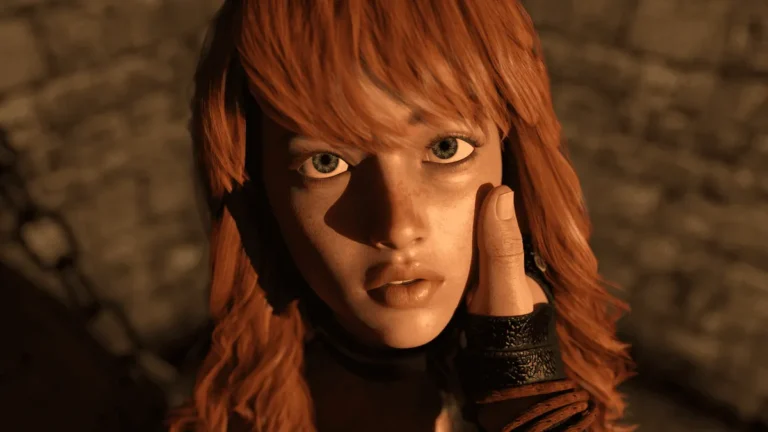
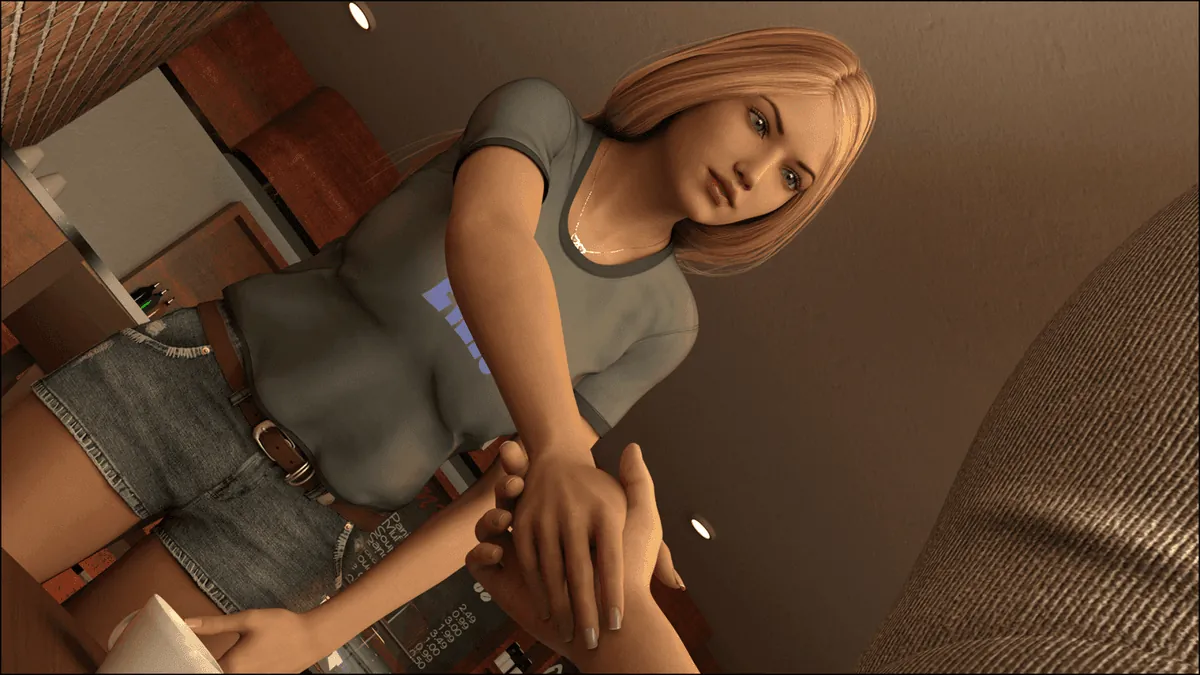
Desert Stalker Screenshots
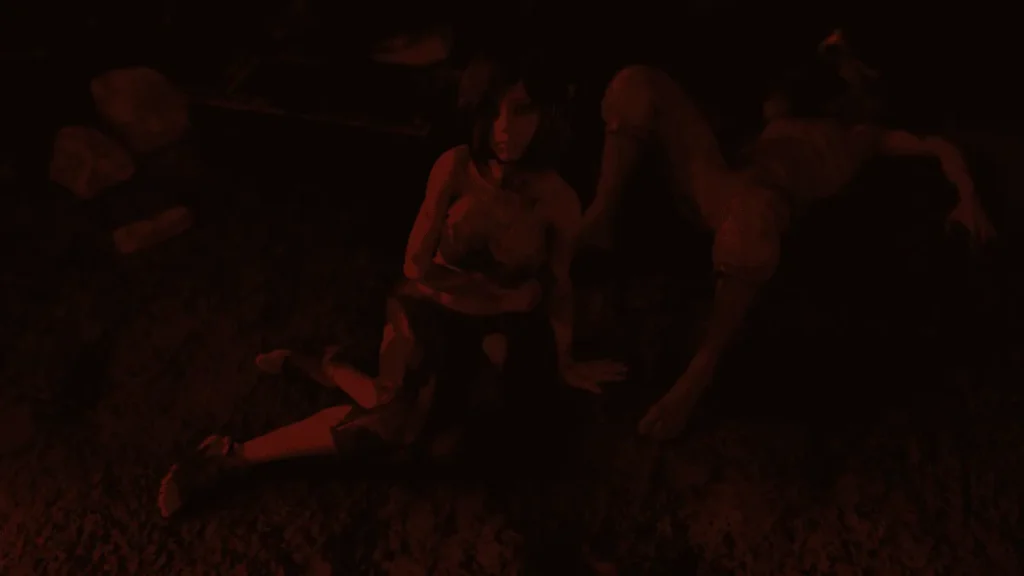


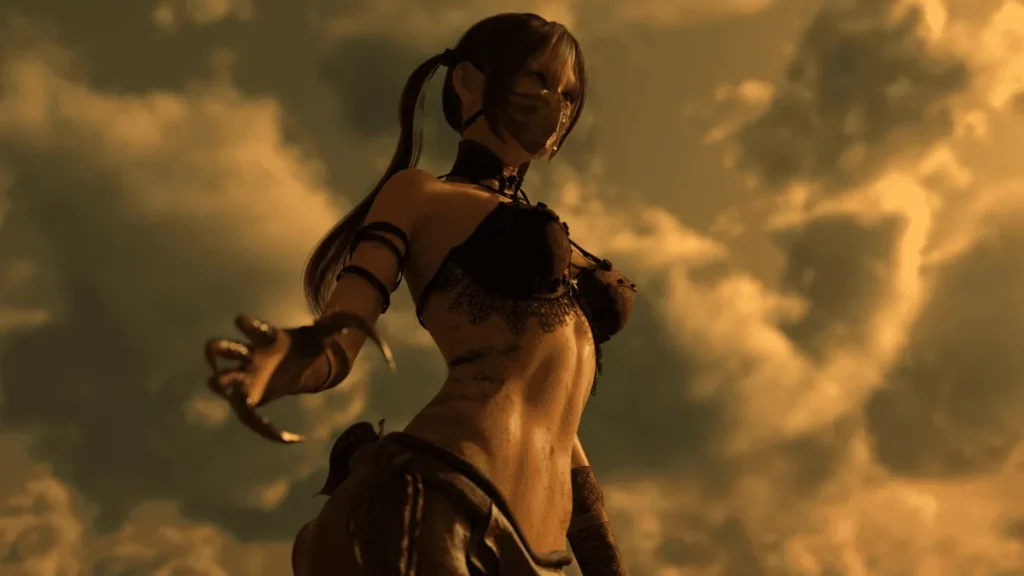
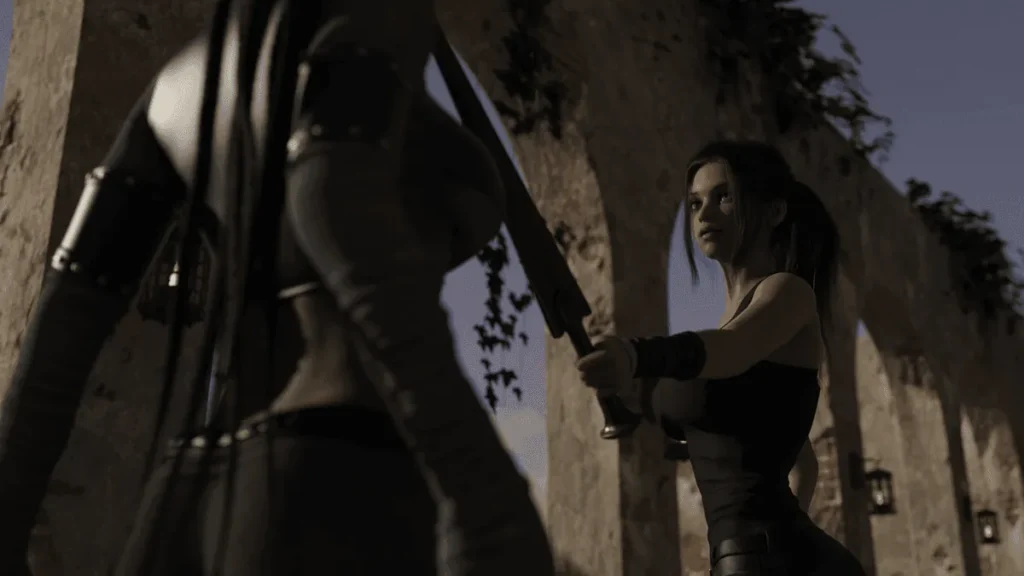


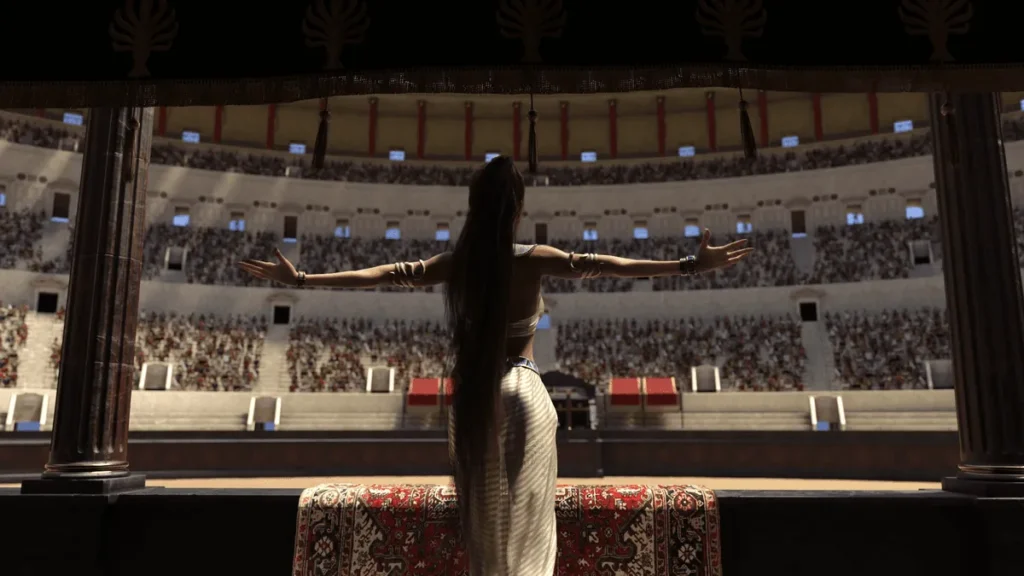
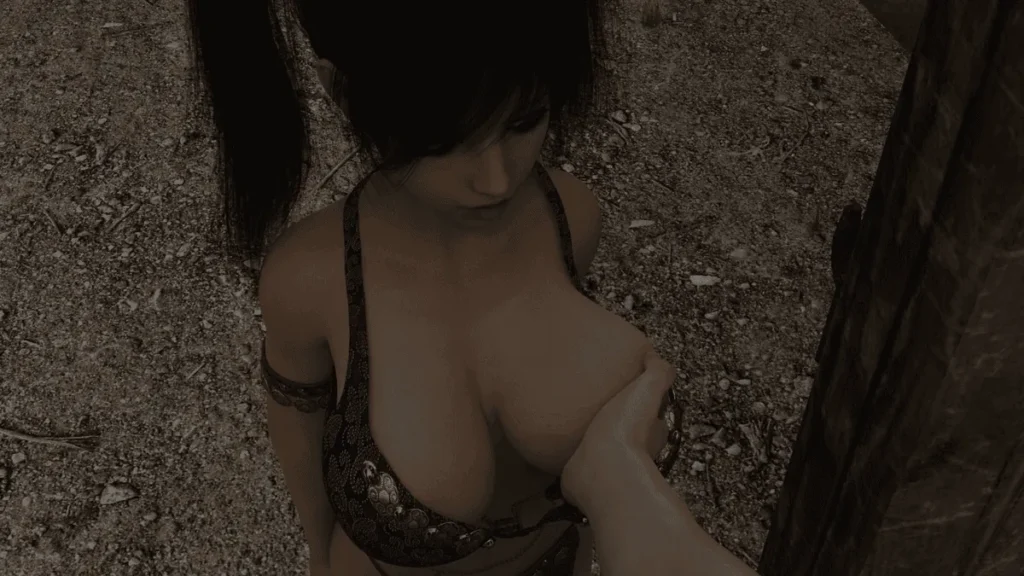
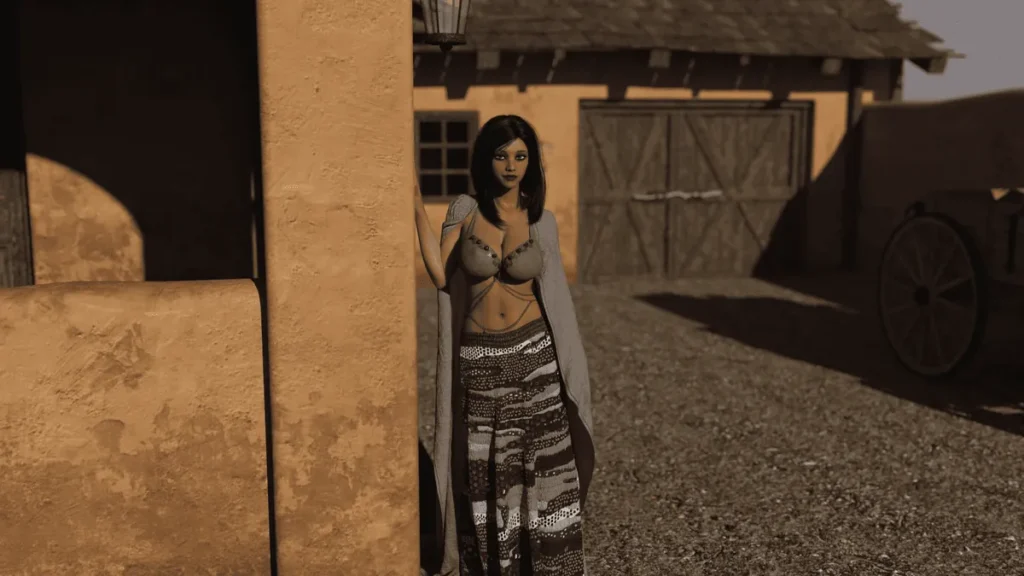

Desert Stalker review
Explore the Sands, Factions, and Thrilling Choices in Zetan’s Gripping Game
Imagine scavenging the sun-baked ruins of a post-apocalyptic Egypt, where every dune hides danger and desire. That’s the world of Desert Stalker, Zetan’s immersive adult game inspired by Fallout and S.T.A.L.K.E.R. As a rugged Desert Stalker, you navigate violent wastelands, forge alliances with factions, and dive into intense personal stories—romance, dominance, and survival all tangled in the sands. I first stumbled upon it during a late-night gaming binge, hooked by its polished renders and no-grind free-roam. Whether you’re here for the gripping narrative or the steamy encounters, this guide uncovers everything to maximize your playthrough. Let’s trek into the apocalypse together.
What Makes Desert Stalker a Must-Play Post-Apoc Gem?
It was one of those 2 a.m. gaming marathons, the kind where you’ve clicked through a dozen titles and nothing is sticking. 🕛 I was deep in a post-apocalyptic mood, chasing that specific feeling of exploring a broken world where every choice weighs a ton. Then, I stumbled on a forum thread about a Desert Stalker game. The screenshots showed stunning, sun-bleached ruins and a character who looked like he hadn’t had a good day in decades. I was intrigued. An hour later, I was utterly lost in the sands of Zetan’s creation, completely hooked by its unique atmosphere. This wasn’t just another flash-in-the-pan title; it felt like discovering a hidden post-apocalyptic RPG gem that understood exactly what I craved: a gripping world, meaningful freedom, and zero boring grind.
So, what is the Desert Stalker game, really? At its heart, it’s a narrative-driven 3DCG point-and-click adventure set in a future where Egypt’s ancient ruins are buried under even more modern wreckage. You play as “the Stalker,” a hardened survivor protecting a fragile safe haven for his family while venturing into the deadly wastes to secure their future. This core tension—cosy, defended home versus the brutally opportunistic outside world—is the engine of the entire experience. It’s a Desert Stalker storyline that immediately gives your actions weight. Every scrap of food, every bullet you find, isn’t just loot; it’s potential security for your loved ones. ❤️🔥
How Desert Stalker’s Story Hooks You from the Start
The genius of the Desert Stalker storyline is its intimate scale. This isn’t about saving the world; it’s about saving your world. The game doesn’t waste time with lengthy expositions. Instead, it throws you into the deep end of your own life. You have a wife and daughter relying on you, a shelter to maintain, and a vast, unforgiving desert full of threats and opportunities right outside your door. This immediate, personal stake is magnetic.
Your role as a Desert Stalker means you’re part scavenger, part protector, and part negotiator. The world is populated with original factions, from desperate scavenger gangs to mysterious cultists and remnants of old-world power. Inspired by the faction dynamics of classics like Fallout, your alliances are fluid and entirely player-driven. Will you be a ruthless operator, taking what you need from the weak? Or will you occasionally play the generous knight, building a reputation that might pay off later? The game’s writing brilliantly blends visceral, dark moments with unexpected tenderness and even strands of romance and dark humor. You’re never just following a quest log; you’re navigating a web of human (and often inhumane) relationships.
I remember one early side-story where a simple request to find medical supplies spiraled into a tense standoff with a group of paranoid survivors. The Desert Stalker game presented me with clear options: force my way in, try to barter with my scarce resources, or use what I knew about a nearby threat as leverage. There was no “good” answer, only shades of survival. This is where the Desert Stalker Fallout inspired DNA shines brightest—it’s all about the choices you make in a morally grey wasteland, and how those choices ripple outwards to shape your story.
Key Gameplay Mechanics: Free-Roam Without the Grind
Let’s talk about how you actually play this post-apocalyptic RPG. If you’re picturing complex skill trees and inventory management hell, think again. 🎮 Desert Stalker is elegantly simple where it counts. It’s a 3DCG adventure game. You explore beautifully rendered environments, click to interact, choose dialogue options, and watch the story unfold through high-quality animations. The gameplay loop is a masterclass in pacing.
The structure seamlessly blends linear, story-heavy sequences with open free roam Desert Stalker segments. When you leave your shelter for an outing, you pick a location on the map—a ruined city block, a scavenger camp, a mysterious oasis. Once there, you’re in a hand-crafted explorable scene. You can talk to characters, find hidden items, and trigger quests. The key here is there is no grind. You don’t kill 10 radroaches for XP. Progress is tied directly to story advancement and discovering key items or information. The interface is polished and intuitive, letting you focus on the world and your decisions, not on wrestling with menus.
This free roam Desert Stalker philosophy means exploration is always rewarding. Finding a stash of clean water or a rare component feels significant. The combat, when it occurs, is exciting and consequential, resolved through dynamic animated sequences based on your preparation and choices. It’s a system that respects your time, ensuring every play session moves the narrative forward meaningfully.
To see how it builds upon its inspirations, let’s break it down:
| Feature | Desert Stalker | Inspirations (Fallout / S.T.A.L.K.E.R.) |
|---|---|---|
| Setting & Atmosphere | Post-apocalyptic Egyptian ruins, focus on sun-baked desolation and intimate family drama. | American wasteland (Fallout), Chernobyl exclusion zone horror (S.T.A.L.K.E.R.). |
| Core Gameplay Loop | Point-and-click adventure with free-roam exploration hubs. Story and choice-driven progression. | First-person shooter/RPG with open worlds, skill-based progression, and combat focus. |
| Faction System | Player-driven alliances with multiple groups, impacting story routes and resources. | Deep faction reputation systems affecting quests and world state. |
| Moral Choices | Extreme anti-hero spectrum, focused on personal/family survival in a lawless world. | Morality systems (Karma, etc.) often with clearer “good/evil” dichotomies. |
| Adult Themes | Integrated deeply into narrative, world-building, and relationship dynamics. | Generally minimal or implied, not a core narrative mechanic. |
Why the Anti-Hero Choices Feel So Addictively Real
This is where Desert Stalker separates itself from the pack entirely. The game grants you an almost terrifying degree of anti-hero choices Desert Stalker is famous for. You are not a vault dweller chosen for greatness. You are a man in an impossible situation, and the game gives you the tools to be whoever you think you need to be to survive and prosper.
Practical Tip: Start by focusing on family-oriented quests and securing your shelter. This builds a vital resource base and eases you into the world’s mechanics before you venture into its darker opportunities.
The spectrum of choice is breathtakingly wide. In one playthrough, you might strive to be a principled protector, helping others where you can, sharing scarce resources, and forming bonds. In another, you can embrace the brutality of the wastes, taking what you want through intimidation or force, viewing every other survivor as a tool or an obstacle. These anti-hero choices Desert Stalker presents aren’t just “be nice” or “be mean.” They are complex, context-heavy decisions that often sit in an uncomfortable grey area. A “kind” act might make you vulnerable later. A “ruthless” decision might secure a future advantage for your family.
You can shape your character through violence, through strategic manipulation, through moments of shocking cruelty, or through surprisingly tender and romantic interactions. The excitement in combat or tense negotiations comes from knowing that the outcome directly feeds back into this personal saga you’re writing. There’s a powerful dom/sub dynamic that runs through many interactions, not just in intimate scenes but in social power plays, allowing you to experiment with different personas.
My personal insight? I stayed for the story after the initial thrills. The freedom is intoxicating at first, but it’s the way the narrative reacts, remembers, and evolves based on your actions that is utterly addictive. The game makes you feel the consequences of your anti-hero choices, not just through a karma meter, but through changed character relationships, new opportunities, and closed doors.
Let me paint a quick picture: You’re exploring a derelict marketplace. You find a scavenger arguing with a trader over a can of fuel. You need that fuel. The game gives you paths. You could intervene as a peacemaker, offering a different trade. You could side with one, earning an ally and an enemy. Or, you could wait, watch, and when one walks away… eliminate the other and take the prize for yourself. The Desert Stalker game makes all these options feel valid, driven by your current needs and the character you’re role-playing.
This is why it stands out from typical adult-oriented games. The mature themes aren’t just sprinkled on top; they are woven into the very fabric of the world and its Desaster Stalker storyline. They serve the narrative of survival, power, and human connection in extremis, making the world feel more real, more dangerous, and more compelling. It’s a complete, polished post-apocalyptic RPG experience that happens to explore the full, dark spectrum of human behavior.
Final Beginner’s FAQ
Yes and no. It uses a hub-based system. You have a linear story structure, but between main events, you can choose from multiple locations on the world map to explore freely, find side quests, and resources at your own pace.
The current early access story offers several hours of core narrative, but the real time comes from exploration, replaying to see different choice outcomes, and engaging with side content. There’s a lot to discover.
Not at all! While it shares their atmospheric and choice-driven spirit, it stands on its own as a unique narrative adventure. The point-and-click style makes it very accessible.
Absolutely not. That’s a component of its realistic, unfiltered world, but the primary draws are the strong **Desert Stalker storyline**, the deep role-playing **anti-hero choices**, the exploration, and the faction politics. Many players engage deeply with those elements first and foremost.
Role-play authentically. Don’t try to “game” the system. Make choices that feel right for how you view your Stalker and his family’s immediate needs. There are no wrong answers, only different stories. And definitely secure your home base early!
Diving into Desert Stalker transformed my view of adult gaming—its blend of heart-pounding survival, moral dilemmas, and intimate moments in a richly built post-apoc world keeps me coming back. From family bonds to faction wars across Egyptian dunes, your choices shape an unforgettable journey. If you’re craving a game where story rivals the thrills, grab the latest version, pick your path, and lose yourself in the sands. Share your wildest Desert Stalker tales in the comments—what’s your favorite faction or encounter? Start stalking today and see where the apocalypse takes you.